
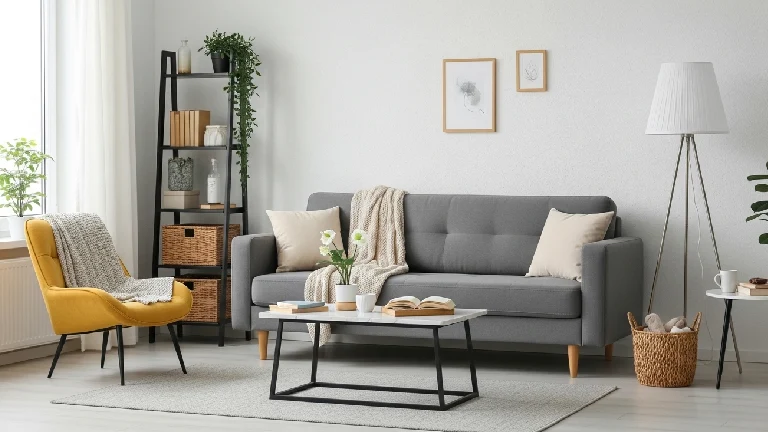
Introduction to Minimalism
In a world overflowing with possessions, distractions, and constant noise, the pursuit of simplicity has never been more relevant. Minimalism invites us to embrace a lifestyle that prioritizes quality over quantity. Imagine living in a space where every item you own serves a purpose or brings you joy. Picture waking up each day free from clutter and chaos, allowing room for what truly matters. Simplicity isn’t just about getting rid of things; it’s about making conscious choices that align with our values and desires. As we navigate through life’s complexities, embracing minimalism can lead to greater clarity and fulfillment. Ready to discover how living with less can enhance your overall happiness? Let’s dive into the transformative journey toward simplicity together!
The Benefits of Living with Less
Living with less offers a refreshing perspective on life. It clears mental clutter and allows for greater focus. When distractions fade, clarity emerges. Reduced possessions lead to lower stress levels. You’ll find that simpler spaces create a calming atmosphere. A minimalist environment fosters peace. Financial freedom is another significant benefit. With fewer items to buy and maintain, you can allocate resources toward experiences rather than things. This change reshapes your priorities. Relationships also flourish in simplicity. By prioritizing quality over quantity in both belongings and connections, deeper bonds are formed. Embracing minimalism encourages gratitude. Appreciating what you have becomes easier when there’s less to overshadow it all. Living intentionally cultivates joy found in everyday moments instead of fleeting material gain.
How to Declutter and Simplify Your Life
Decluttering begins with a mindset shift. Embrace the idea that less truly is more. Start small; tackle one room or area at a time. This makes the process less overwhelming. Use the “four-box method.” Label boxes as keep, donate, sell, and trash. As you sift through items, be honest about what you really use and love. Set a timer for 15 to 30 minutes each day to focus on decluttering. Consistent effort beats an all-day marathon any time. Consider digital clutter too. Unsubscribe from emails that no longer serve you and organize your files on devices. A clean virtual space can greatly enhance mental clarity. Remember to celebrate progress, no matter how small it feels. Each item removed opens up space not just physically but mentally as well—creating room for new experiences rather than possessions. Unleashing Creativity: 7 Ways to Get Freaky Fonts for Your Projects
Creating a Minimalist Home
Creating a minimalist home starts with a clear vision. Picture spaces that breathe and invite tranquility. Begin by assessing each room. Identify items that serve no purpose or spark joy. Embrace the freedom of letting go. Donate, recycle, or sell what you don’t need. Choose furniture thoughtfully; seek pieces that are both functional and simple in design. Opt for neutral colors to create harmony throughout your space. Incorporate natural light whenever possible. It opens up areas and enhances moods, making homes feel more inviting. Use decor sparingly; select a few meaningful pieces rather than cluttering surfaces with random objects. Plants can add life without overwhelming your environment; they connect you to nature while promoting calmness. Remember, minimalism is about intentionality—every item should reflect who you are and contribute positively to your daily life experience.
Letting Go of Material Possessions
Letting go of material possessions can be daunting. Each item often carries memories or emotions, making the decision to part with them challenging. Start by assessing what truly adds value to your life. Ask yourself if an item serves a purpose or brings joy. If not, it might be time to say goodbye. Consider the freedom that comes with less clutter. A lighter space can lead to a clearer mind and greater focus on what matters most—relationships and experiences. Take small steps; don’t feel pressured to empty your home overnight. Tackle one room at a time, dedicating moments for reflection on each piece you choose to keep or release. Remember, it’s about creating space for new possibilities rather than simply discarding belongings. Embrace this journey as an opportunity for growth and self-discovery while enjoying the beauty of simplicity in your surroundings.
Mindful Consumption: Being Intentional with Purchases
Mindful consumption is about making thoughtful choices. It’s more than just buying items; it involves understanding the impact of each purchase. Before you buy, ask yourself why you want it. Is it a need or simply a desire? Distinguishing between the two can help reduce impulse spending. Consider quality over quantity. Investing in fewer, higher-quality items often leads to greater satisfaction and longevity. This approach aligns perfectly with simplicity and enhances your living space. Take time to research products before committing. Look into sustainable brands that reflect your values. Support businesses that prioritize ethical practices and environmental responsibility. Practice gratitude for what you already own. Recognizing the value of existing possessions can diminish the urge for new ones, fostering appreciation instead of accumulation. Being intentional with purchases cultivates awareness and aligns your lifestyle with your values while contributing to a simpler existence.
Embracing a Simpler Lifestyle: Tips for Success
Adopting a simpler lifestyle can be transformative. Start small. Set aside time each week to evaluate what truly matters to you. Focus on one area of your life at a time, whether it’s your wardrobe or digital space. This prevents overwhelm and allows for gradual change. Create routines that prioritize simplicity. Streamlining daily tasks can free up mental energy for more meaningful pursuits. Connect with others who share similar values. A supportive community offers encouragement and inspiration throughout your journey toward simplicity. Practice gratitude regularly. Recognizing the abundance in less helps shift your mindset from needing more to appreciating what you have. Embrace imperfection as part of the process. It’s okay if things don’t go perfectly; every step toward simplifying is a win on its own merit.
Conclusion
Embracing simplicity can transform your life in profound ways. It invites clarity and peace into often chaotic spaces. Living with less isn’t just about physical possessions; it extends to mental clutter as well. A minimalist approach can lead to better focus and improved relationships. As you journey toward simplicity, remember that it’s a personal endeavor. There’s no one-size-fits-all path. Each step taken is an opportunity for growth. Celebrate the small victories along the way—each moment of letting go brings you closer to freedom and fulfillment. This lifestyle fosters gratitude for what truly matters: experiences, connections, and moments of joy.
FAQs
What is minimalism? Minimalism is a lifestyle choice that emphasizes simplicity and intentional living. It encourages individuals to focus on what truly matters by minimizing distractions, both physical and mental. How can I start embracing simplicity in my life? Start small. Identify areas of your life that feel cluttered or overwhelming. Choose one space, like a drawer or a closet, and begin decluttering. Make conscious decisions about what to keep based on its value to you. Is it necessary to get rid of everything? Not at all. Minimalism isn’t about owning nothing; it’s about making space for the things that matter most to you. Keep items that bring joy or serve a purpose in your life. Can minimalism improve my mental health? Many people report feeling less stressed after simplifying their lives. By reducing physical clutter, you can create a calmer environment which often leads to improved focus and better emotional well-being. Does embracing simplicity mean sacrificing quality? Embracing simplicity means being intentional with your purchases rather than simply buying more stuff. This often leads to investing in higher-quality items that will last longer instead of accumulating lower-quality goods. How do I maintain my minimalist lifestyle over time? Regularly reassess your belongings and habits. Set aside time each month for reflection on what no longer serves you, ensuring you’re consistently aligning with your values and goals regarding simple living.
Related Articles
- Konversky: Smart Conversion Platform for Faster Business Growth
- How Urban Weather Patterns Impact Roof Durability and Lifespan
- 12 PM PST to EST: The Ultimate Time Zone Conversion Guide
Editorial Note: This article was researched and written by the Floral Loft SAC editorial team. We fact-check our content and update it regularly. For questions or corrections, contact us.