
Introduction
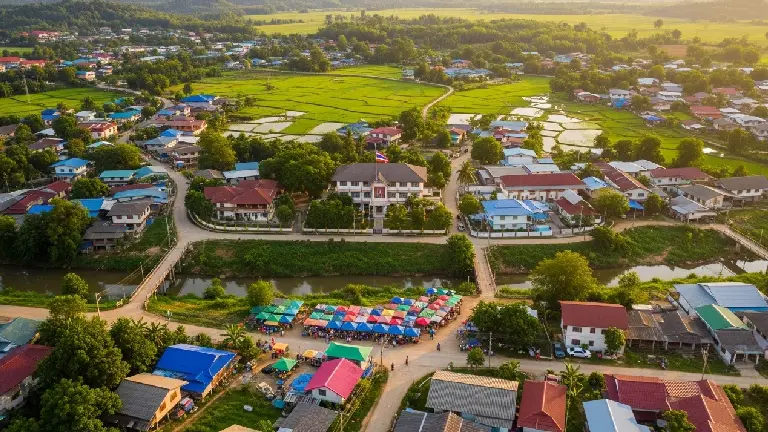
Thailand is a country known for its vibrant culture, stunning landscapes, and complex administrative system. Among the key administrative divisions, tumbons play a crucial role in bridging the gap between local communities and provincial governance. Understanding tumbons is essential for travelers, researchers, and anyone interested in Thai society, culture, and local administration.
Tumbons are essentially subdistricts that operate under districts, known locally as amphoes, and they offer a unique glimpse into the day-to-day lives of Thai citizens. This article explores everything about tumbons—their history, structure, cultural significance, governance, and how they influence Thailand’s rural and urban dynamics.
What Are Tumbons?
A tumbon is a subdistrict-level administrative division in Thailand, smaller than a district (amphoe) but larger than a village (muban). Tumbons are crucial in Thailand’s local governance system because they manage the distribution of services, coordinate community development, and maintain administrative records at a local level.
Each tumbon consists of multiple villages, or mubans, which form the backbone of rural community life. The head of a tumbon, often called the kamnan, oversees administrative tasks and ensures that government policies are implemented efficiently.
Historical Background of Tumbons
Tumbons have a long-standing history in Thailand, evolving alongside the country’s administrative reforms. Traditionally, Thailand’s local governance focused on villages and provinces, with minimal coordination at the subdistrict level.
During the early 20th century, the Thai government introduced structured administrative reforms to improve efficiency, public service delivery, and community representation. Tumbons emerged as key subdistrict units, bridging villages and districts. Over the years, tumbons have adapted to modern administrative practices while preserving their traditional cultural identity.
Structure of a Tumbon
The typical structure of a tumbon includes:
-
Kamnan (Subdistrict Head): Oversees all administrative activities and acts as a liaison with district authorities.
-
Tumbon Administrative Organization (TAO): A local government body responsible for public services, infrastructure projects, and community development.
-
Villages (Mubans): Multiple villages fall under a tumbon, each with a village headman who reports to the kamnan.
-
Community Committees: These committees assist in cultural events, environmental management, and social welfare programs.
This hierarchical structure ensures both efficiency and local representation, enabling communities to participate actively in governance.
Harnessing the Power of the Sun: HMS Photovoltaik for Sustainable Energy
Tumbons and Local Governance
Tumbons play a significant role in Thailand’s decentralized governance system. They manage essential public services such as:
-
Healthcare Facilities: Local clinics and primary health centers operate under the guidance of TAOs.
-
Education: Primary schools and community learning centers serve the residents of tumbons.
-
Infrastructure: Road maintenance, water supply, and sanitation are coordinated locally.
-
Cultural Preservation: Tumbons organize festivals, temple maintenance, and traditional ceremonies.
This local approach allows residents to influence decision-making and promotes community-driven development.
Cultural Significance of Tumbons
Tumbons are not only administrative units—they are cultural hubs. Each tumbon reflects the traditions, dialects, and lifestyle of its residents. In rural areas, communities rely on agriculture, local crafts, and seasonal festivals to maintain their heritage. In urbanized tumbons, there’s a blend of modern living with traditional practices.
Festivals, temple ceremonies, and village fairs often originate from tumbon initiatives, preserving the cultural identity of local communities while encouraging tourism and civic engagement.
Economic Impact of Tumbons
The economic role of tumbons varies depending on location and resources:
-
Agricultural Hubs: Rural tumbons produce rice, vegetables, fruits, and handicrafts.
-
Tourism Centers: Some tumbons use local culture, festivals, and natural landscapes to attract visitors.
-
Small Business Development: Local markets and cottage industries thrive under community-led initiatives.
By fostering localized economic activity, tumbons contribute significantly to regional growth while ensuring community involvement.
Modern Challenges Facing Tumbons
Despite their importance, tumbons face several challenges:
-
Urbanization: Rapid city expansion sometimes disrupts traditional village life.
-
Limited Resources: Smaller tumbons may struggle with funding for infrastructure and social services.
-
Governance Complexity: Balancing local needs with district-level policies can create administrative bottlenecks.
-
Environmental Concerns: Deforestation, flooding, and waste management impact community sustainability.
Addressing these challenges requires collaboration between local authorities, district officials, and community members.
Comparison Chart: Tumbons vs Other Thai Administrative Divisions
| Administrative Level | Typical Population | Key Responsibilities | Leadership | Coverage Area |
|---|---|---|---|---|
| Province (Changwat) | 500,000+ | Regional governance, budget allocation | Governor | Multiple districts |
| District (Amphoe) | 50,000–200,000 | Local administration, law enforcement | District Chief | Multiple tumbons |
| Subdistrict (Tumbon) | 5,000–20,000 | Public services, community projects | Kamnan/TAO | Multiple villages (mubans) |
| Village (Muban) | 100–1,000 | Local welfare, minor infrastructure | Village Headman | Single community |
This chart highlights the unique position of tumbons as a bridge between grassroots villages and higher-level district administration.
Tumbons in Daily Life
For locals, tumbons are central to daily life. The administrative office handles birth registrations, public announcements, and conflict resolution. Schools and healthcare centers organized by tumbons support the well-being of residents. Markets and cultural events keep the community vibrant, fostering social cohesion and local pride.
Visitors often experience authentic Thai culture by exploring tumbons, from traditional cuisine to community-led festivals. Tumbons provide an immersive lens into Thailand’s societal structure and local traditions.
Future of Tumbons
The future of tumbons lies in modernization without losing cultural identity. Key trends include:
-
Digital Governance: Online services for registration, permits, and communication with residents.
-
Sustainable Practices: Environmental initiatives to manage resources and prevent disasters.
-
Community Empowerment: Programs that encourage youth participation in governance.
-
Tourism Development: Promoting eco-tourism and cultural tourism responsibly.
By embracing innovation while respecting tradition, tumbons will continue to play a vital role in Thailand’s social and administrative framework.
FAQs About Tumbons
-
What is the primary role of a tumbon in Thailand?
A tumbon functions as a subdistrict, managing local governance, public services, and community development under the district administration. -
How are tumbons structured?
Each tumbon consists of multiple villages, led by a kamnan and a Tumbon Administrative Organization (TAO), which oversees public services and community programs. -
What cultural significance do tumbons have?
Tumbons preserve local traditions, festivals, and ceremonies, making them vital for cultural heritage and community identity. -
How do tumbons contribute to the economy?
Tumbons support agriculture, local markets, tourism, and small businesses, driving regional economic growth. -
What challenges do tumbons face today?
Urbanization, resource limitations, environmental issues, and governance complexities are the main challenges for modern tumbons.
Conclusion
Tumbons are more than administrative divisions—they are the heartbeat of Thai local life. From managing essential public services to preserving culture and supporting economic growth, tumbons embody the spirit of community governance. Understanding tumbons provides valuable insight into Thailand’s administrative framework, cultural richness, and societal dynamics.
Whether you are a traveler seeking authentic experiences or a researcher exploring governance models, tumbons offer a fascinating perspective on how local communities shape and sustain life in Thailand.
Frequently Asked Questions
What is Explore the Charm of Tumbons: Thailand’s Local Communities Revealed?
Explore the Charm of Tumbons: Thailand’s Local Communities Revealed is a topic that many people search for. This article provides a thorough overview based on current information and expert analysis available in 2026.
Why does Explore the Charm of Tumbons: Thailand’s Local Communities Revealed matter?
Understanding Explore the Charm of Tumbons: Thailand’s Local Communities Revealed helps you make better decisions. Whether you’re a beginner or have some experience, staying informed on this topic is genuinely useful.
Where can I learn more about Explore the Charm of Tumbons: Thailand’s Local Communities Revealed?
We recommend checking authoritative sources and official websites for the most current information. This article is regularly updated to reflect new developments.
Source: Lonely Planet
Related Articles
- Navigating Debt Relief: A Deep Dive into Gomyfinance.com
- Quaydarius Davis: Rising Star Shaping the Future of Football
- 7pm PT to EST: The Ultimate No-Math Time Conversion Guide
Editorial Note: This article was researched and written by the Floral Loft SAC editorial team. We fact-check our content and update it regularly. For questions or corrections, contact us.