
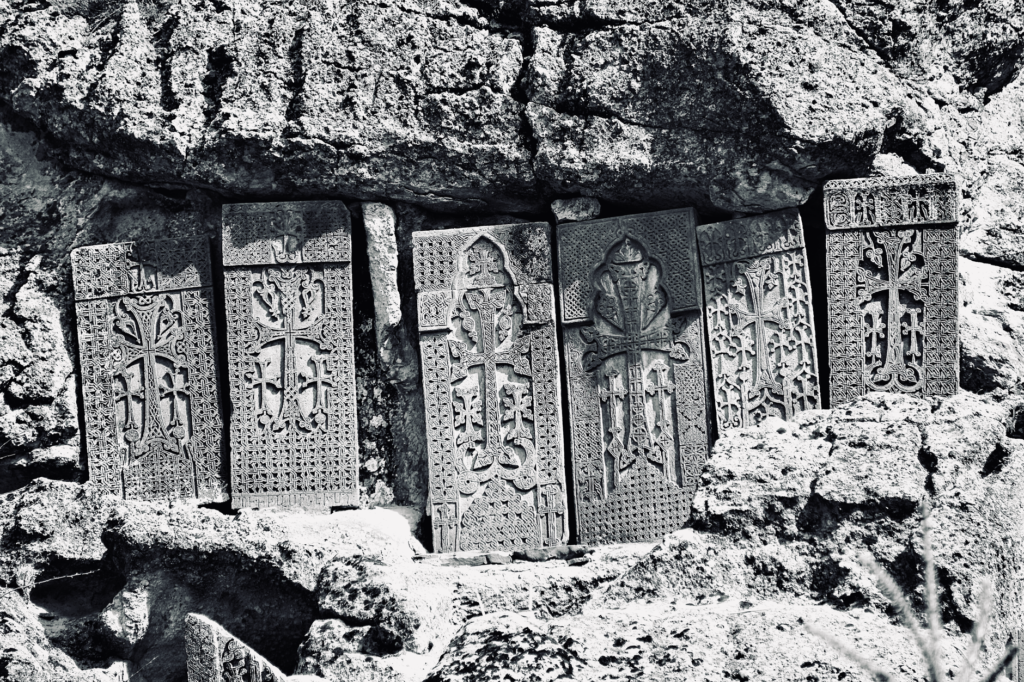
The Armenian cross stands as one of the most iconic symbols of Armenian culture, blending deep spirituality with intricate artistry. For centuries, this unique emblem has represented faith, national identity, and the resilience of the Armenian people. Beyond its religious significance, the Armenian cross is also a remarkable example of craftsmanship, found in architecture, stone carvings, and ceremonial objects.
Understanding the Armenian cross means delving into its history, symbolic meanings, and the art forms it has inspired over time. Its distinctive design sets it apart from other Christian crosses, often featuring elaborate engravings, geometric patterns, and a sense of movement that reflects eternal life and divine protection.
The History of the Armenian Cross
The origins of the Armenian cross trace back to the early adoption of Christianity in Armenia in 301 AD, making Armenia the first nation to officially embrace the Christian faith. Unlike the simpler Latin or Greek crosses, the Armenian cross evolved into a complex symbol infused with cultural identity. Over centuries, Armenian artisans developed the practice of carving the cross into khachkars—stone steles adorned with crosses and intricate patterns. These khachkars often served as memorials, markers of sacred sites, or symbols of national pride.
The Armenian cross is more than just a religious icon; it reflects the survival of Armenian culture through periods of adversity, including invasions and diaspora. Its presence in churches, monasteries, and public spaces continues to reinforce a sense of continuity and resilience.
Unique Features of the Armenian Cross
The Armenian cross is immediately recognizable due to several unique features:
-
Flared Ends: The cross arms often expand outward, giving it a dynamic and flowing appearance.
-
Intricate Carvings: Most crosses are adorned with floral motifs, geometric shapes, and sometimes inscriptions in the Armenian alphabet.
-
Central Circle: Many designs include a circle at the center, symbolizing eternity and the unity of life.
-
Vertical and Horizontal Harmony: The design balances vertical spirituality with horizontal engagement in the human world.
These features not only enhance the visual appeal of the Armenian cross but also carry deep symbolic meanings. Every detail tells a story of faith, protection, and cultural continuity.
Transform Your Space with Elegant Gold Stands: A Complete Guide
Armenian Cross in Architecture
Armenian crosses are integral to architectural design, particularly in churches and monasteries. Often carved into stone façades, doorways, or interior walls, they serve both decorative and spiritual purposes. The cross’s placement in churches frequently aligns with structural symmetry and spiritual symbolism, emphasizing light, space, and sacred geometry.
Some notable examples include crosses carved on khachkars placed near church entrances or atop hills, symbolizing both guidance and protection for travelers and pilgrims. The Armenian cross’s enduring presence in architecture highlights its role as a bridge between religious devotion and artistic expression.
Artistic Significance
Artisans who create Armenian crosses demonstrate exceptional skill and creativity. These crosses are more than static symbols; they reflect the cultural and artistic heritage of Armenia. Artists combine elements of nature, geometric design, and religious iconography to produce works that are both visually stunning and spiritually meaningful.
In addition to stone carvings, the Armenian cross appears in jewelry, textiles, and manuscripts, each interpretation reflecting a balance between tradition and innovation. For collectors and enthusiasts, owning or studying these pieces offers insight into Armenian history, craftsmanship, and religious devotion.
Comparison Chart: Armenian Cross vs Other Cross Types
| Feature | Armenian Cross | Latin Cross | Greek Cross |
|---|---|---|---|
| Design | Flared, ornate, circle | Simple, straight | Equal-length arms |
| Symbolism | Eternal life, protection | Crucifixion | Balance, unity |
| Materials | Stone, metal, wood | Wood, metal | Wood, stone |
| Cultural Significance | Armenian identity | Western Christianity | Eastern Christianity |
| Artistic Style | Intricate carvings | Minimalist | Geometric |
This comparison helps readers appreciate the Armenian cross not only as a religious symbol but also as a cultural and artistic treasure that differs significantly from other cross designs.
Modern Relevance
Even today, the Armenian cross remains a potent symbol in modern Armenian society. It’s featured in national celebrations, religious ceremonies, and cultural events. Its image is often worn as jewelry or displayed in homes to signify faith, protection, and pride in Armenian heritage.
For younger generations, the Armenian cross serves as a link to their roots, a reminder of resilience, and an inspiration to preserve traditions in a rapidly changing world.
FAQs
1. What does the Armenian cross symbolize?
The Armenian cross symbolizes faith, eternal life, protection, and the resilience of Armenian culture throughout history.
2. How is the Armenian cross different from other crosses?
Flared arms distinguishs it, intricate carvings, and often a central circle, reflecting Armenian artistic and spiritual traditions.
3. What is a khachkar?
A khachkar is a stone stele featuring the Armenian cross, often decorated with floral and geometric designs, used as memorials or sacred markers.
4. Where can Armenian crosses be found?
They are found in churches, monasteries, public spaces, jewelry, and cultural artifacts across Armenia and Armenian communities worldwide.
5. Why is the Armenian cross important today?
It connects Armenians to their heritage, symbolizes faith and protection, and serves as a cultural emblem of resilience and identity.
Conclusion
The Armenian cross is far more than a religious symbol—it’s a cultural emblem that embodies faith, art, and national identity. From ancient khachkars to modern interpretations in jewelry and architecture, this cross continues to inspire and protect. Its intricate designs, historical depth, and spiritual significance make it a timeless representation of Armenian heritage. By understanding and appreciating the Armenian cross, one gains insight into a rich cultural legacy that has endured for centuries, standing as a beacon of both faith and artistry.
Frequently Asked Questions
What is The Armenian Cross: Symbol of Faith, Art, and Heritage?
The Armenian Cross: Symbol of Faith, Art, and Heritage is a topic that many people search for. This article provides a thorough overview based on current information and expert analysis available in 2026.
Why does The Armenian Cross: Symbol of Faith, Art, and Heritage matter?
Understanding The Armenian Cross: Symbol of Faith, Art, and Heritage helps you make better decisions. Whether you’re a beginner or have some experience, staying informed on this topic is genuinely useful.
Where can I learn more about The Armenian Cross: Symbol of Faith, Art, and Heritage?
We recommend checking authoritative sources and official websites for the most current information. This article is regularly updated to reflect new developments.
Source: Britannica
Related Articles
- DTF & UV DTF Printing: Differences & Uses Explained
- Unlocking Convenience: A Deep Dive into NTA Services
- Unlocking Success: Understanding Stream Metrics for Optimal Content Performance
Editorial Note: This article was researched and written by the Floral Loft SAC editorial team. We fact-check our content and update it regularly. For questions or corrections, contact us.