What Is Area Code 571 and Where Does It Come From?
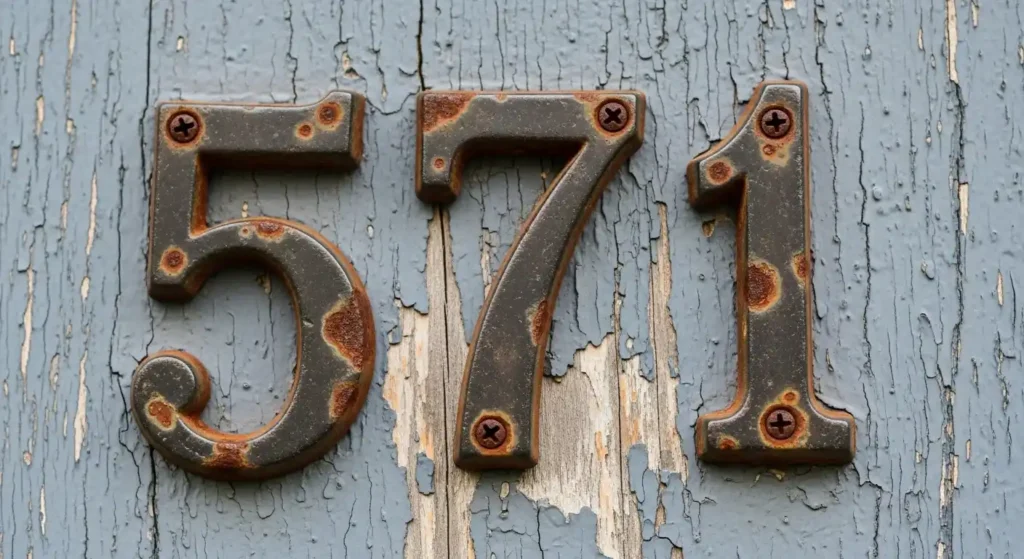
If you’ve ever received a call from area code 571 and weren’t sure where it was from, you’re not alone. This area code covers a busy and densely populated region in Northern Virginia — one of the most tech-forward and government-heavy areas in the entire United States. Whether you’re a local resident, a business owner, or just someone trying to figure out who called you, understanding this area code can save you a lot of confusion.
Northern Virginia sits right outside Washington D.C., making it a hub for federal contractors, tech companies, and government agencies. That means 571 numbers pop up constantly — in emails, on business cards, and on your phone screen.
The Geographic Coverage of Area Code 571
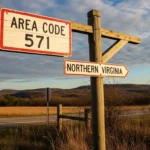
Area code 571 serves Northern Virginia, overlaying the existing 703 area code. The two codes cover the same geographic region, which includes some of Virginia’s most populous and economically significant cities and counties.
Here’s what falls under the 571 umbrella:
- Arlington County
- Fairfax County
- Alexandria (City)
- Falls Church (City)
- Loudoun County
- Prince William County
- Manassas and Manassas Park
This region is home to major tech corridors, government institutions, and some of the highest household incomes in the country. It also houses the headquarters of several Fortune 500 companies and major federal agencies.
A Brief History of Area Code 571
How and Why 571 Was Created
Before 571 existed, the entire Northern Virginia area used only area code 703. But as the population grew rapidly during the late 1990s tech boom, demand for phone numbers skyrocketed. Cell phones, fax machines, pagers, and business lines were multiplying faster than the available number pool could handle.
To solve this, the North American Numbering Plan Administration (NANPA) introduced 571 as an overlay code in 2000. An overlay means both area codes — 703 and 571 — serve the exact same geographic area at the same time. Instead of splitting the region geographically, new numbers were simply assigned from the new code.
This was a practical fix, but it came with one noticeable change: everyone in Northern Virginia had to start dialing 10 digits for local calls. No more just punching in seven numbers.
Growth Has Only Continued
Since its introduction, 571 has become just as common as 703 in the region. With the rise of smartphones, remote work hubs, and massive data centers along the so-called “Data Center Alley” in Loudoun County, demand for new numbers has never slowed down.
Louisa Kochansky: Artist, Legacy & Creative Vision
Is Area Code 571 Legit or a Scam?
This is a fair question. Scammers often spoof local-looking area codes to trick people into picking up. Just because a call comes from 571 doesn’t automatically make it legitimate — or suspicious.
Signs a 571 Call Might Be a Scam
- You don’t recognize the number and they ask for personal information immediately
- The caller claims to be from the IRS, Social Security Administration, or a bank
- There’s an automated message asking you to press 1 for more details
- The caller creates a sense of panic or urgency
Signs It’s Probably Legitimate
- The call matches a business or contact you’ve interacted with recently
- It’s a follow-up from a Northern Virginia company or government office
- The number appears in a public directory or on a website you recognize
When in doubt, let it go to voicemail and look the number up online.
Pros and Cons of Having a 571 Area Code Number
Pros
- Recognized as a professional area code — Northern Virginia carries a strong reputation, especially in government and tech sectors
- Proximity signal — having a 571 number tells clients and contacts you’re based near D.C., which carries weight
- Good for business credibility — local numbers often see higher answer rates than toll-free or out-of-state numbers
- Widely accepted — businesses, apps, and services have no issues with 571 numbers
Cons
- Scam association — because 571 is a common spoofed area code, some people ignore unfamiliar calls from it
- Mandatory 10-digit dialing — unlike older single-code areas, you always have to dial the full number
- Number exhaustion risk — as the region grows, even 571 may face pressure in the future
- Confusion with 703 — people unfamiliar with overlays sometimes think 571 is a different city or region
Common Mistakes People Make About Area Code 571
A lot of people misread or misuse information about 571. Here are the most frequent mistakes:
1. Assuming it covers a different location than 703 Many people think 571 and 703 serve different parts of Virginia. They don’t. They cover the exact same territory.
2. Thinking all 571 calls are spam Not true. Plenty of real businesses, government offices, and individuals use 571 numbers every day.
3. Ignoring calls from 571 without checking This one could cost you. Many legitimate businesses — including doctor’s offices, contractors, and employers — use 571 numbers for outbound calls.
4. Not updating contact records If you move to Northern Virginia, make sure your contacts know your new 571 or 703 number. Mixing up old out-of-state numbers causes unnecessary confusion.
5. Forgetting to dial 10 digits locally Even if you’re calling a neighbor with a 571 number, you still need to dial all 10 digits. This trips up people who moved from regions with 7-digit local dialing.
Best Practices for Dealing with 571 Area Code Calls
Whether you’re receiving calls or managing a business line with this code, a few smart habits go a long way.
Always use a reverse phone lookup before calling back an unknown 571 number. Free tools like Google, Whitepages, or even just searching the digits can give you useful context.
Set up call screening if you get frequent unknown calls. Most smartphones today have built-in spam detection, and apps like Hiya or Nomorobo add another layer.
For businesses using 571 numbers, make sure your number appears on your Google Business Profile, website, and email signature. This builds recognition and reduces the chance of people flagging your calls as spam.
If you’re moving to Northern Virginia, go ahead and get a local 571 or 703 number. Research shows people are more likely to answer calls from local area codes, which matters a lot in sales and customer service.
Conclusion
Area code 571 is more than just three digits. It’s a marker of one of the most dynamic, high-growth regions in the U.S. — Northern Virginia, right next door to the nation’s capital. Understanding what it covers, where it came from, and how to handle calls from it gives you a real advantage, whether you’re a resident, a job seeker, a business owner, or just someone screening your calls on a Tuesday afternoon.
The key takeaways are simple: 571 and 703 cover the same area, the code was created to handle explosive population growth, and while scammers do sometimes spoof it, plenty of legitimate calls come from 571 every single day. Stay informed, stay cautious, and you’ll handle it just fine.
FAQ
Q1: What state is area code 571 located in?
Area code 571 is located in Virginia, specifically serving the Northern Virginia region, including cities and counties near Washington D.C.
Q2: Is area code 571 the same as 703?
Yes. Area codes 571 and 703 are overlay codes, meaning they cover the exact same geographic area in Northern Virginia. They were not split by location.
Q3: When was area code 571 created?
Area code 571 was introduced in 2000 as an overlay to the existing 703 area code, due to the rapid growth in demand for phone numbers in Northern Virginia.
Q4: Why am I getting calls from area code 571?
Calls from 571 typically originate from Northern Virginia. They could be from businesses, government agencies, individuals, or unfortunately, from scammers spoofing a local-looking number.
Q5: What cities are included in area code 571?
Area code 571 covers Arlington, Alexandria, Fairfax, Falls Church, Loudoun County, Prince William County, Manassas, and surrounding Northern Virginia communities.