
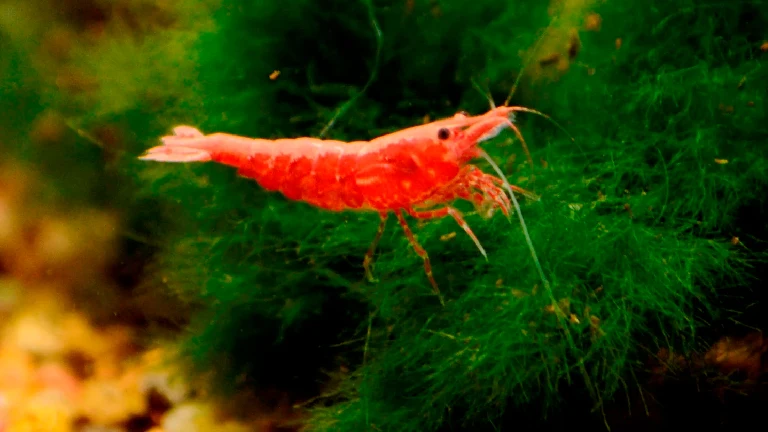
Cherry shrimp have become one of the most popular freshwater aquarium pets, and for good reason. Their vibrant red color, peaceful behavior, and low maintenance requirements make them ideal for both beginners and experienced aquarists. Beyond their beauty, cherry shrimp also play a functional role by helping keep aquariums clean.
This in-depth guide explores everything you need to know about cherry shrimp care, tank setup, feeding, breeding, health, and common mistakes to avoid. Whether you are starting your first shrimp tank or improving an existing one, this article delivers practical and trustworthy information designed to help your shrimp thrive.
What Are Cherry Shrimp?
Cherry shrimp are small freshwater shrimp known for their bright red coloration and hardy nature. They belong to the dwarf shrimp family and typically grow to about 1–1.5 inches in length. Their peaceful temperament allows them to coexist with other non-aggressive tank inhabitants.
Unlike many delicate aquatic species, cherry shrimp adapt well to a wide range of water conditions, which is one reason they are often recommended for beginners.
Why Cherry Shrimp Are Ideal for Home Aquariums
Cherry shrimp offer several benefits that go beyond aesthetics:
-
Add vibrant color to planted tanks
-
Help control algae naturally
-
Peaceful and community-friendly
-
Require minimal space
-
Easy to breed in stable conditions
Because of these traits, cherry shrimp fit perfectly into nano tanks, planted aquariums, and shrimp-only setups.
More Article Here
Cherry Shrimp Appearance and Color Grades
Not all cherry shrimp look the same. Their color intensity varies based on genetics, diet, and environment.
Common Color Grades
-
Low Grade: Light red or semi-transparent
-
Mid Grade: Solid red with slight translucency
-
High Grade: Deep red with full body coverage
Higher grades are more visually striking but require stable conditions to maintain their color over time.
Ideal Tank Setup for Cherry Shrimp
Creating the right environment is essential for long-term shrimp health.
Tank Size
A minimum of 5 gallons is recommended. Larger tanks provide more stability and reduce stress.
Substrate
Dark, fine substrate enhances shrimp color and supports beneficial bacteria.
Plants and Decorations
Live plants such as mosses and fine-leaf plants provide:
-
Hiding spots
-
Grazing surfaces
-
Safe areas for baby shrimp
Driftwood and rocks also help replicate a natural habitat.
Water Parameters for Cherry Shrimp
Stable water conditions matter more than chasing perfect numbers.
| Parameter | Ideal Range |
|---|---|
| Temperature | 65–78°F |
| pH Level | 6.5–7.5 |
| Hardness | Moderate |
| Ammonia | 0 ppm |
| Nitrite | 0 ppm |
| Nitrate | Below 20 ppm |
Sudden changes can stress cherry shrimp, so consistency is key.
Feeding Cherry Shrimp the Right Way
Cherry shrimp are omnivores and constant grazers. In a planted tank, they often find food naturally, but supplemental feeding keeps them healthy and colorful.
Best Foods
-
Shrimp pellets
-
Algae wafers
-
Blanched vegetables (spinach, zucchini)
-
Protein supplements (occasionally)
Feeding Tips
-
Feed small amounts once per day
-
Remove uneaten food after a few hours
-
Overfeeding leads to poor water quality
Cherry Shrimp Behavior and Social Structure
Cherry shrimp are peaceful and active throughout the day. You’ll often see them grazing on surfaces, plants, and decorations.
They feel safest in groups, so keeping at least 6–10 shrimp is recommended. Larger groups encourage natural behavior and breeding.
Breeding Cherry Shrimp at Home
One of the most exciting aspects of keeping cherry shrimp is how easily they reproduce.
Breeding Process
-
Females carry eggs under their abdomen
-
Eggs hatch in about 3–4 weeks
-
Baby shrimp are fully formed miniatures
No special breeding tank is required if water conditions remain stable.
Protecting Baby Shrimp
-
Avoid aggressive tank mates
-
Provide dense plant cover
-
Use sponge filters to prevent accidents
Tank Mates: What Works and What Doesn’t
Cherry shrimp coexist well with peaceful species but can become prey for larger fish.
Good Tank Mates
-
Small snails
-
Peaceful nano fish
-
Other dwarf shrimp
Tank Mates to Avoid
-
Large or aggressive fish
-
Predatory species
-
Fast-moving hunters
Shrimp-only tanks offer the highest survival rate.
Common Health Issues in CherryShrimp
Healthy cherryshrimp are active and brightly colored. Problems usually stem from water quality or poor diet.
Warning Signs
-
Loss of color
-
Lethargy
-
Failed molts
-
Sudden deaths
Prevention Tips
-
Perform regular water changes
-
Avoid copper-based products
-
Acclimate shrimp slowly
Comparison Chart: CherryShrimp vs Other Freshwater Shrimp
| Feature | CherryShrimp | Other Dwarf Shrimp |
|---|---|---|
| Ease of Care | Very Easy | Moderate to Hard |
| Color Stability | High | Variable |
| Breeding | Very Easy | Moderate |
| Beginner Friendly | Yes | Sometimes |
| Price | Affordable | Often Expensive |
This comparison shows why cherryshrimp remain the top choice for most aquarists.
Mistakes Beginners Often Make
Avoiding these common errors ensures long-term success:
-
Overfeeding
-
Sudden water changes
-
Keeping incompatible tank mates
-
Skipping acclimation
-
Using untreated tap water
Patience and consistency make all the difference.
5 Frequently Asked Questions About CherryShrimp
1. How long do cherry shrimp live?
Cherry shrimp typically live 1–2 years with proper care.
2. Do cherry shrimp need a heater?
Not always. They tolerate room temperature as long as it remains stable.
3. Can cherry shrimp clean algae?
Yes, they help control algae but should not be relied on as the only solution.
4. How many cherry shrimp should I start with?
Starting with 10 shrimp helps establish a healthy colony.
5. Why are my cherry shrimp losing color?
Stress, poor diet, or unstable water parameters usually cause color loss.
Conclusion: Are CherryShrimp Worth Keeping?
Cherryshrimp are one of the most rewarding freshwater aquarium pets available today. They combine beauty, simplicity, and functionality in a way few species can match. With proper care, stable water conditions, and thoughtful tank setup, cherryshrimp thrive and multiply, bringing life and color to any aquarium.
Whether you are a beginner or a seasoned aquarist, cherryshrimp offer an enjoyable and low-stress experience that continues to impress over time.