
Introduction: Why Flowers Matter More Than Ever
Flowers have always been part of human life. They celebrate joy, express love, and offer comfort during quiet moments. Today, flowers also play a role in wellness, home design, and mindful living. People choose flowers not just for beauty, but for meaning, mood, and connection.
This guide explores flowers in a complete and practical way. You will learn what flowers symbolize, how to choose the right types, how to care for them, and how to use them every day. The goal is clarity, usefulness, and inspiration—without confusion or fluff.
Whether you grow flowers, gift them, or simply enjoy their presence, this article helps you make better choices with confidence.
Understanding Flowers: More Than Just Petals
Flowers are the reproductive part of many plants, but their role goes far beyond biology. They influence emotions, culture, and daily habits. Studies in recent years show that fresh flowers can improve mood, reduce stress, and increase feelings of connection.
People respond to colors, scents, and shapes in unique ways. That response is why flowers remain relevant in modern homes, workplaces, and celebrations.
Key reasons people value flowers today:
-
Emotional expression without words
-
Visual balance in living spaces
-
Seasonal connection to nature
-
Cultural and personal symbolism
-
Simple daily joy
Popular Types of Flowers and What They Represent
Each flower carries a message. Some meanings come from history. Others come from color or tradition. Understanding these meanings helps you choose flowers with intention.
Common flower meanings:
-
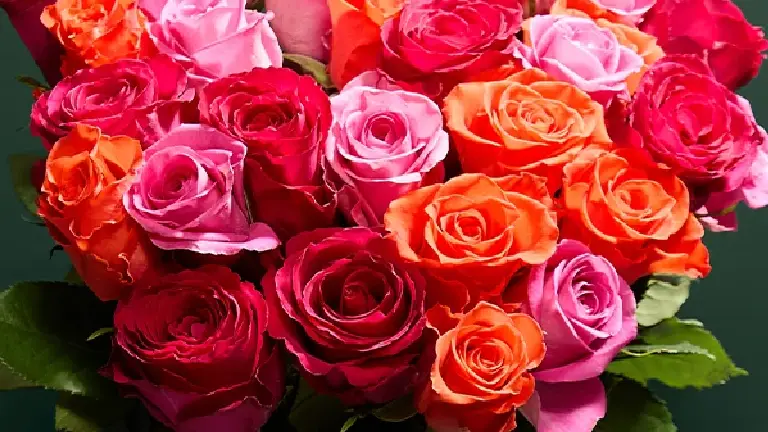
Roses: Love, respect, and deep emotion
-
Lilies: Purity, renewal, and calm
-
Tulips: Hope, elegance, and fresh starts
-
Sunflowers: Positivity, energy, and loyalty
-
Daisies: Innocence, honesty, and simplicity
Color also changes meaning. Red often signals passion. White suggests peace. Yellow reflects friendship and warmth. Purple can suggest creativity or admiration.
Seasonal Flowers: Choosing What Thrives Naturally
Flowers grow best in their natural season. Seasonal choices last longer, look healthier, and require less effort. They also tend to feel more authentic and balanced.
Seasonal flower guide:
-
Spring: Tulips, daffodils, hyacinths
-
Summer: Sunflowers, zinnias, marigolds
-
Autumn: Chrysanthemums, asters, dahlias
-
Winter: Camellias, hellebores, winter roses
Choosing seasonal flowers supports sustainability and improves overall quality.
Flower Care Basics: Keep Flowers Fresh and Vibrant
Caring for flowers does not require expert skills. Simple habits make a big difference. Whether flowers are in a vase or garden, consistency matters.
Essential flower care tips:
-
Change water every two days
-
Trim stems at an angle
-
Keep away from direct heat
-
Use clean containers
-
Remove wilted petals early
For garden flowers, focus on soil quality, sunlight, and proper spacing. Healthy roots lead to stronger blooms.
Flowers in Daily Life: Simple Ways to Use Them
Flowers do not need a special occasion. Many people now use flowers as part of daily routines. A small arrangement can change the feel of a room or work area.
Everyday uses for flowers:
-
Dining table centerpieces
-
Home office mood boosters
-
Bedroom calm accents
-
Entryway welcome touch
-
Self-care and mindfulness moments
Even one flower in a simple glass can bring balance and beauty.
Comparison Chart: Fresh Flowers vs Artificial Flowers
| Feature | Fresh Flowers | Artificial Flowers |
|---|---|---|
| Appearance | Natural texture and scent | Consistent look, no scent |
| Maintenance | Requires water and care | No care needed |
| Emotional Impact | Strong emotional response | Decorative only |
| Longevity | Short-term beauty | Long-lasting |
| Sustainability | Seasonal and biodegradable | Reusable but synthetic |
| Cost Over Time | Repeated purchase | One-time purchase |
This comparison helps you choose based on lifestyle, purpose, and preference.
Flowers and Emotional Well-Being
Modern lifestyles often feel rushed and disconnected. Flowers help slow things down. Their presence encourages awareness and calm.
Research from recent years highlights how flowers can:
-
Reduce anxiety
-
Improve focus
-
Support emotional balance
-
Encourage positive routines
Placing flowers where you spend time creates small but meaningful changes.
Choosing the Right Flowers for Different Moments
Different moments call for different flowers. Matching the flower to the purpose improves impact and meaning.
Examples:
-
Celebrations: Bright and bold flowers
-
Apologies: Soft tones and simple blooms
-
Sympathy: Calm colors and gentle forms
-
Romance: Classic shapes with deep colors
-
Personal growth: Fresh seasonal flowers
Thoughtful choices show care and intention.
Sustainable Flower Choices in Modern Living
Sustainability matters more now than ever. Flower choices can reflect mindful values without losing beauty.
Sustainable flower habits:
-
Choose seasonal blooms
-
Reuse vases and containers
-
Compost natural waste
-
Grow local garden flowers
-
Avoid excessive packaging
Small choices create long-term positive impact.
Common Flower Mistakes to Avoid
Even flower lovers make simple mistakes. Avoiding these keeps flowers healthy and enjoyable.
Mistakes to watch for:
-
Overwatering
-
Placing near heat sources
-
Ignoring seasonal limits
-
Mixing incompatible flowers
-
Using dirty tools or vases
Awareness leads to better results and longer-lasting beauty.
The Cultural Role of Flowers Across Time
Flowers have shaped traditions across generations. From ceremonies to art, flowers carry shared meaning.
They appear in:
-
Weddings and anniversaries
-
Memorials and remembrance
-
Festivals and rituals
-
Art, poetry, and design
Their role continues to evolve while staying rooted in human expression.
FAQs About Flowers
What are the most popular flowers for everyday use?
Roses, tulips, daisies, and lilies remain popular because they are versatile, meaningful, and widely appreciated.
How long do fresh flowers usually last?
With proper care, most fresh flowers last between five to ten days, depending on type and environment.
Are flowers good for mental health?
Yes. Flowers can reduce stress, improve mood, and create a calming atmosphere in daily spaces.
Can flowers be used in small spaces?
Absolutely. Single stems or compact arrangements work well in apartments and offices.
What is the easiest flower to care for?
Daisies and chrysanthemums are known for durability and simple care needs.
Conclusion: Let Flowers Add Meaning to Your Life
Flowers are more than decoration. They are tools for expression, balance, and connection. When chosen with care and understanding, flowers enrich daily life in simple but powerful ways.
This guide showed how flowers carry meaning, how to care for them, and how to use them naturally in modern living. Whether you enjoy one bloom or a full garden, flowers always give something back.
Let flowers speak for you—every day.