
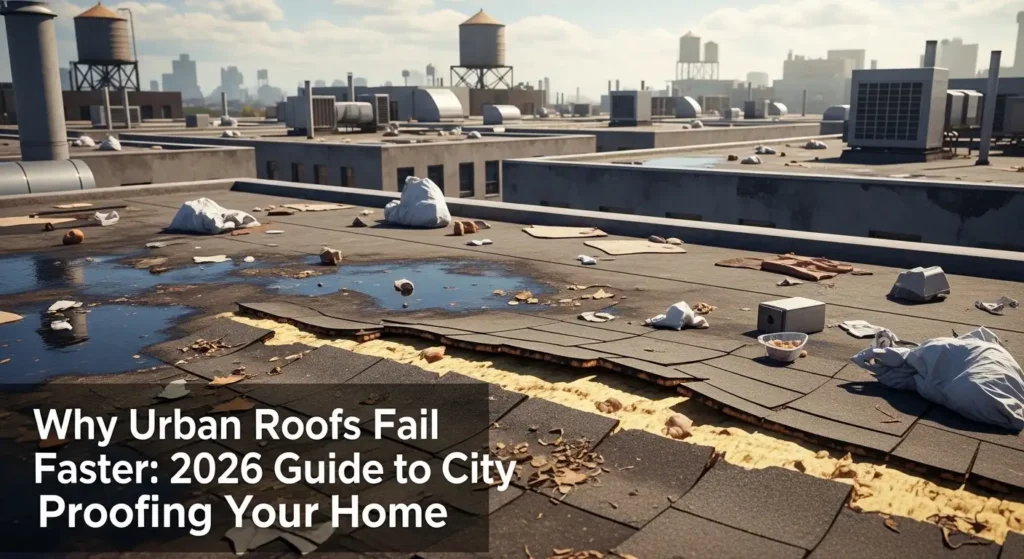
Have you ever noticed that roofs in busy cities seem to wear out faster than roofs in quiet countryside areas? This is not just a guess, it actually happens for real reasons. Cities have their own kind of weather and environment, and these conditions can be harder on roofs. When we understand what causes this damage, we can make better choices to protect our homes. Roofs are one of the most important parts of any house. They protect us from rain, heat, wind, and other weather conditions. But in cities, roofs face extra challenges. Heat gets trapped between buildings, pollution fills the air, and heavy rain can come down quickly. All of these things can shorten the life of a roof. In this article, you will learn how urban weather patterns affect roofs, why damage happens faster in cities, and what homeowners can do to keep their roofs strong for a longer time.
Understanding Urban Microclimates
Urban microclimates are small areas where the climate differs from the surrounding region. For example, cities often create “heat islands” because of buildings, roads, and other infrastructure absorbing and retaining heat. This extra heat can impact roofing materials, causing them to age faster than they would in cooler areas.
The Effects of Heat on Roofing Materials
High temperatures can lead to several issues for roofs. Here are a few ways heat impacts roof durability:
Expansion and Contraction
As temperatures rise, roofing materials expand, similar to how a metal pipe expands when heated. This expansion can cause the materials to stretch and become misshapen. When they cool down at night, they contract, much like a metal pipe shrinking when cooled. This constant cycle of expansion and contraction can lead to cracks and leaks, reducing the overall durability of the roof. For example, a roof made of concrete tiles may experience significant expansion and contraction, causing the tiles to shift and create gaps for water to seep in. Prolonged exposure to this cycle can result in costly repairs and even compromise the structural integrity of the building.
Material Degradation
Many roofing materials are designed to withstand certain conditions, such as extreme temperatures and weather patterns. However, extended exposure to heat can break down materials like asphalt shingles, causing them to dry out, crack, and eventually fail. This process is similar to how prolonged exposure to sunlight can cause plastics to degrade and become brittle. Asphalt shingles, in particular, are susceptible to heat damage, as they are made from a mixture of asphalt, fiberglass, and minerals. When exposed to high temperatures, the asphalt can become soft and sticky, causing the shingles to lose their shape and adhesive properties. Over time, this can lead to a decline in the roof’s overall performance and durability. Master Duaction: Simplify Your Digital Strategy Today
Impact of UV Radiation
The sun’s ultraviolet (UV) rays can severely damage roofing materials, much like how UV rays can cause human skin to sunburn and age prematurely. Over time, UV exposure can lead to fading and brittleness, further compromising roof durability. For instance, a roof made of polyvinyl chloride (PVC) may experience significant color fading and become prone to cracking due to prolonged UV exposure. This is because UV rays can break down the molecular structure of PVC, causing it to degrade and lose its flexibility. As a result, the roof may become more susceptible to damage from weathering, hail, and other external factors. In extreme cases, UV damage can lead to roof failure, resulting in costly repairs and potential safety hazards.
Understanding Urban Rainfall Patterns
Urban areas can also experience different rainfall patterns. Cities with lots of concrete and asphalt often have drainage challenges, which can lead to water pooling on rooftops. This doesn’t just affect the roof itself; it impacts drainage systems too. The combination of high temperatures and increased rainfall can accelerate wear on all types of roofs.
Pooling Water and its Consequences
Pooling water can cause:
Increased Weight
Water accumulation on a roof can add a substantial amount of weight, leading to serious structural issues over time. For example, a typical roof can hold up to 5 pounds of water per square foot, which may not seem like a lot, but it can quickly add up. Consider a roof with an area of 2,000 square feet – if it’s holding 5 pounds of water per square foot, that’s an extra 10,000 pounds of weight. This excessive weight can cause the roof to sag, putting pressure on the supporting beams and walls, and potentially leading to collapse. The added weight can also lead to a decrease in the roof’s lifespan, as the constant strain weakens the materials.
Mold and Mildew Growth
Standing water on a roof creates an ideal environment for mold and mildew growth, which can damage roofing materials and pose serious health hazards to occupants. Mold thrives in damp, warm environments, and a roof with standing water provides the perfect breeding ground. As mold grows, it can eat away at the roofing materials, such as wood and asphalt, causing them to deteriorate and lose their integrity. This can lead to costly repairs and even replacement of the entire roof. Mold can release spores into the air, which can cause respiratory problems and other health issues for people inside the building.
Leak Development
Water pooling on a roof increases the risk of leaks, which can lead to significant interior damage if not addressed quickly. When water stands on a roof, it can seep into the smallest cracks and crevices, finding its way into the building. As water enters the building, it can damage ceilings, walls, and floors, causing costly repairs and potentially leading to structural issues. For instance, if water leaks into a building’s electrical system, it can cause short circuits and even fires. The Insurance Information Institute estimates that the average cost of a water damage claim is around $10,000. Plus, leaks can also lead to the growth of mold and mildew, as mentioned earlier, which can further exacerbate the problem. It’s essential to address any water accumulation issues promptly to prevent leaks and the subsequent damage they can cause.
Selecting the Right Roofing Materials
Choosing the right materials is essential for improving roof durability in urban environments. Here are a few materials that offer higher resilience against urban weather:
Cool Roofs
Cool roofs are specially designed to reflect a significant amount of sunlight and absorb less heat, making them ideal for hot and sunny environments. This feature helps reduce the amount of heat that enters buildings, resulting in lower energy costs and a more comfortable indoor climate.
Metal Roofing
Metal roofing is highly resistant to ultraviolet rays, which can cause other materials to deteriorate over time. It’s also less prone to water damage, making it an excellent choice for areas with high rainfall or flooding. With proper maintenance, metal roofs can last for decades, providing a durable and long-lasting solution for building owners.
Modified Bitumen
Modified bitumen is a solid and adaptable material that can withstand extreme temperature changes, making it suitable for areas with harsh weather conditions. It’s like a chameleon, able to adjust to different environments and conditions without losing its integrity. This material is composed of a combination of asphalt, solvents, and additives, which provide flexibility and strength.
Heavy Rain and Water Problems
Rain is another major factor that affects roofs in cities. In recent years, many places have experienced heavier and more intense rainfall. This is partly due to climate changes. In cities, rainwater can’t easily soak into the ground because of concrete and pavement. Instead, water flows quickly into drainage systems. If these systems become clogged or overwhelmed, water can back up. When water can’t drain properly from a roof, it may start to pool. Standing water is dangerous because it adds weight and increases the chance of leaks. Even small amounts of water can find their way into tiny cracks. Over time, this can weaken the structure of the roof. Water damage can also spread to other parts of the house, such as ceilings and walls.
Choosing the Right Roofing Materials
Because city environments are tougher on roofs, choosing the right materials is very important. Some materials perform better than others under heat, pollution, and heavy rain. Metal roofing is a popular choice because it reflects sunlight instead of absorbing it. This helps keep the roof cooler. Metal roofs are also strong and can last a long time if properly maintained. Clay tiles are another good option. They are naturally resistant to heat and don’t easily absorb water. They can handle both high temperatures and heavy rain. Composite shingles are designed to be more durable than traditional materials. They are made using advanced technology and can resist different types of weather conditions.
The Importance of Regular Maintenance
Even the best roofing materials need proper care. Regular maintenance helps catch small problems before they become big and expensive. It’s a good idea to inspect your roof at least twice a year. You should also check it after strong storms or heavy rain. During an inspection, look for signs of damage such as cracks, missing pieces, or discoloration. Check if water is draining properly and make sure gutters are not clogged. Cleaning the roof is also important. Removing dirt, leaves, and debris helps prevent moisture buildup and reduces the risk of mold and algae growth. Sometimes, it’s best to hire a professional to inspect the roof. Experts know what to look for and can spot problems that may not be obvious. Having a maintenance plan can greatly extend the life of a roof and save money in the long run.
How a Strong Roof Saves Energy
A durable roof does more than just protect a home from weather. It also plays a big role in energy efficiency. When a roof reflects sunlight and stays cool, it helps keep the inside of the house comfortable. This means you don’t need to use as much electricity for air conditioning. In cooler months, a well-insulated roof helps keep heat inside the house. This reduces the need for heating and lowers energy bills. Energy-efficient roofs are not only good for homeowners but also for the environment. Using less energy means producing fewer greenhouse gases. Investing in a strong and efficient roof is a smart decision that brings long-term benefits.
Adding Value to Your Home
A well-maintained roof can increase the value of a home. If you ever decide to sell your house, buyers will look closely at the condition of the roof. A strong roof shows that the home has been well cared for. It also gives buyers confidence that they won’t need to spend money on repairs soon. In contrast, a damaged or old roof can lower the value of a home. Buyers may ask for a lower price or request repairs before completing the sale. Taking care of your roof is not just about protection it’s also an investment in your property.
Planning for the Future
Urban weather patterns are likely to continue changing in the future. Cities may become even warmer, and rainfall patterns may become more unpredictable. Because of this, homeowners need to think ahead. Choosing durable materials and following a good maintenance plan can help prepare for these changes. New technologies are also being developed to improve roofing systems. These include better coatings, stronger materials, and smarter designs that handle heat and water more effectively.
Considering Professional Help
Sometimes, it’s best to consult a professional to ensure your roof remains durable amidst changing urban weather patterns. If you need assistance, consider reaching out to a roof repair company in Huntington. They can provide you with expert advice on how to make your roof last longer.
Securing Your Roof’s Future
Roofs in cities face many challenges that roofs in rural areas don’t. Heat, pollution, and heavy rain all work together to shorten the life of roofing materials. Understanding these challenges is the first step toward protecting your home. By choosing the right materials, maintaining your roof regularly, and planning for the future, you can keep your roof strong and reliable. A good roof does more than cover your home. It keeps your family safe, saves energy, and adds value to your property. Taking care of it today will help ensure it lasts for many years to come.
Frequently Asked Questions
What is How Urban Weather Patterns Impact Roof Durability and Lifespan?
How Urban Weather Patterns Impact Roof Durability and Lifespan is a topic that many people search for. This article provides a thorough overview based on current information and expert analysis available in 2026.
Why does How Urban Weather Patterns Impact Roof Durability and Lifespan matter?
Understanding How Urban Weather Patterns Impact Roof Durability and Lifespan helps you make better decisions. Whether you’re a beginner or have some experience, staying informed on this topic is genuinely useful.
Where can I learn more about How Urban Weather Patterns Impact Roof Durability and Lifespan?
We recommend checking authoritative sources and official websites for the most current information. This article is regularly updated to reflect new developments.
Editorial Note: This article was researched and written by the Floral Loft SAC editorial team. We fact-check our content and update it regularly. For questions or corrections, contact us.
Related read: Terracotta: Earth's Enduring Material in 2026.