
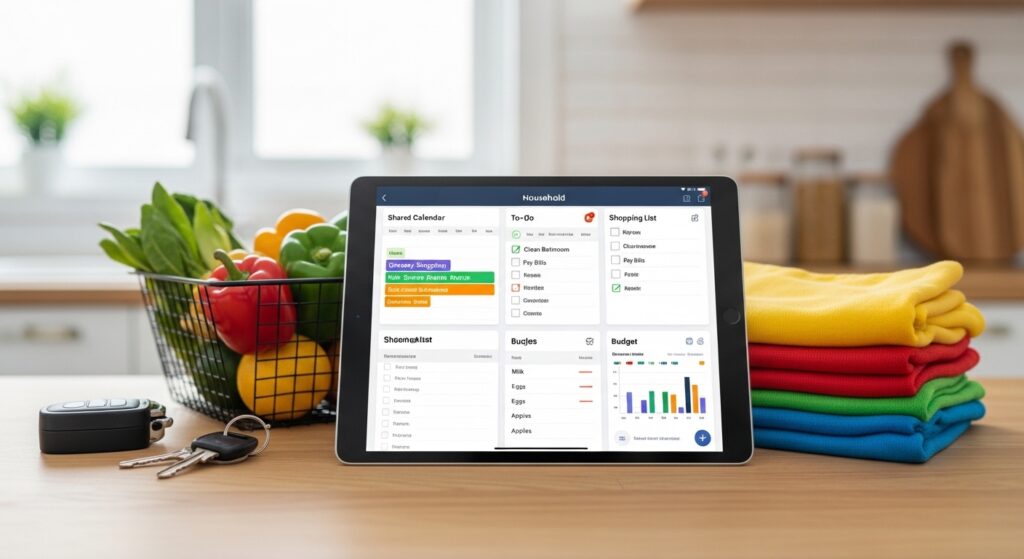
It usually starts quietly: a family calendar gets crowded, a weekend trip overlaps with a school event, and the spare room that was supposed to hold backup gear is already full. One missed handoff can create a chain of delays. The problem is rarely dramatic at first. It’s a blind spot in oversight—tickets, décor, seasonal bins, travel bags, sports equipment, and paperwork drifting into the same few corners until the house stops absorbing the load. In a lifestyle and travel context, the real issue is not storage for its own sake. It’s continuity: keeping household operations steady when schedules tighten and the margin for error disappears. Without a reliable system for where things go and who checks them, every step becomes slower. For families, that continuity matters because the work rarely happens all at once. A trip gets planned on one day, supplies arrive on another, and packing happens late at night after dinner. The result is a home that feels full of motion but short on readiness.
Why Clean Planning Beats Polished Promises
A lot of family and event planning sounds smooth on paper, but execution is where the story changes. If the system depends on one person remembering where things are, when to rotate them, and who needs them next, then the whole setup is fragile. The hidden cost is downtime—minutes lost here, an entire evening lost there. For households that travel often or host often, weak oversight becomes expensive in small ways before it becomes obvious in large ones. A forgotten bin can delay a weekend departure. A misplaced table setting can slow down event setup. A box of off-season clothes can block closet access for months. there’s also a planning cost that doesn’t show up on receipts. When a family can’t quickly confirm what is packed, what is missing, and what is still in rotation, everyone compensates in different ways. One person overpacks. Another duplicates purchases. Someone else starts moving items from room to room just to make space for the next task.
A Better Handoff Before the Calendar Crowds Up
The fix is not elaborate. It’s disciplined. A few grounded moves can keep family routines, travel prep, and event planning from colliding at the worst possible moment. Start by separating categories according to use, not just type. Holiday décor, weekend-trip essentials, school-event materials, and seasonal clothing may all live in boxes, but they don’t move on the same schedule. When categories are based on timing, people can find what they need without opening every container. It also helps to think in terms of access. Items that are used repeatedly should be easier to reach than items that come out once or twice a year. If every task requires rearranging a stack of unrelated things, the system is working against the household. Another important piece is visibility. Labels are useful, but only if they reflect what is actually inside and whether the item is complete. A box marked for an event should not also hold random overflow. A travel tote should not become the default place for unplanned extras.
- Sort by timing, not by sentiment. Put daily-use items, near-term travel items, and long-cycle event supplies into separate groups so nothing valuable gets buried under a vague “later” category.
- Write down who owns what. If one person packs the kids’ trip gear and another handles entertaining supplies, make that handoff visible. Accountability prevents double work and missed items.
- Build a monthly check-in. Review what is being used, what is stalled, and what is drifting out of place before small problems turn into delays.
How Many More Days Until Halloween? 2026 Countdown & Guide
Match the system to the schedule:
Busy households don’t need more categories for the sake of neatness. They need a structure that reflects how often things move. The more closely the setup mirrors the calendar, the less likely it’s that a last-minute trip or party will trigger a cleanup before the actual work can begin.
Make transitions visible:
The hardest part of family planning is usually not the packing or setup itself. It’s the transition between tasks. When one person finishes a project and another picks it up later, the handoff should be obvious. Clear notes, consistent labels, and a simple routine for returning items all reduce friction.
don’t let overflow become the default:
A common mistake is treating every spare surface as a temporary holding area. That approach feels efficient in the moment, but it creates hidden work later. Once overflow becomes normal, the household loses track of what is ready, what is pending, and what has quietly been forgotten.
What Looks Efficient Can Still Fail Quietly
there’s a difference between a space that looks organized and a system that actually works under pressure. Many households prefer the first because it’s fast to achieve and easy to admire. But polished organization can hide weak oversight. The real test comes when a departure gets moved up, guests arrive early, or an event setup changes at the last minute. At that point, many teams begin comparing Mesa reliable storage stalls based on how they actually perform day to day. The strongest setups are not the prettiest. They are the ones with enough structure to survive interruptions. They reduce search time, preserve continuity, and make it easier for different people to step in without confusion. A practical reset usually starts with one honest audit. Look at what is repeatedly moved, what is always hard to find, and what keeps getting set aside because there’s no clear home for it. Those are the signals that the system needs adjustment, not just tidying.
- Identify the recurring pinch points. Notice which items create delays before trips, during school schedules, or ahead of gatherings, then group those items where they can be reached without reshuffling everything else.
- Create simple go-bags and event bins. Keep travel basics, hosting supplies, and seasonal extras separate so the next prep cycle starts with a clear inventory instead of a full reset.
- Set a return routine. After each trip or event, put used items back in their category right away so one busy weekend doesn’t spill into the next week.
- Review before peak seasons. A short check before holidays, summer travel, or major family events helps catch missing supplies, broken items, and forgotten extras before they become a problem.
The Quiet Value of Systems That Hold Up
Family routines, travel plans, and event preparation all depend on the same thing: a system that doesn’t collapse when schedules get messy. That means accepting a few less glamorous truths. You need visible ownership, basic reporting, and enough discipline to resist turning every open corner into a catch-all. The hidden cost of weak oversight is not just clutter. It’s delay, repeated effort, and the steady erosion of confidence that things will be where they should be. A good plan doesn’t eliminate busy weeks. It keeps them from becoming disorganized ones. there’s also a long-range benefit to keeping this part of household life stable. When supplies are sorted, packed, and easy to verify, people make better decisions about what to keep, what to replace, and what to bring on the next trip or to the next event. That reduces waste and lowers the chance of scrambling at the last minute.
The Small Miss That Turns Into a Bigger Delay
It usually starts quietly: a family calendar gets crowded, a weekend trip overlaps with a school event, and the spare room that was supposed to hold backup gear is already full. One missed handoff can create a chain of delays. The problem is rarely dramatic at first. It’s a blind spot in oversight—tickets, décor, seasonal bins, travel bags, sports equipment, and paperwork drifting into the same few corners until the house stops absorbing the load. That kind of drift shows up in ordinary routines before it shows up in a crisis. People lose time hunting for the same items, duplicate purchases pile up, and event prep becomes a last-minute scramble. In a lifestyle and travel context, the real issue is not storage for its own sake. It’s continuity: keeping household operations steady when schedules tighten and the margin for error disappears.
Frequently Asked Questions
What is Practical Space Planning for Busy Families and Event-Heavy Schedules?
Practical Space Planning for Busy Families and Event-Heavy Schedules is a topic that many people search for. This article provides a thorough overview based on current information and expert analysis available in 2026.
Why does Practical Space Planning for Busy Families and Event-Heavy Schedules matter?
Understanding Practical Space Planning for Busy Families and Event-Heavy Schedules helps you make better decisions. Whether you’re a beginner or have some experience, staying informed on this topic is genuinely useful.
Where can I learn more about Practical Space Planning for Busy Families and Event-Heavy Schedules?
We recommend checking authoritative sources and official websites for the most current information. This article is regularly updated to reflect new developments.
Editorial Note: This article was researched and written by the Floral Loft SAC editorial team. We fact-check our content and update it regularly. For questions or corrections, contact us.