Understanding the ‘Leave Pot’ Approach in Plant Care
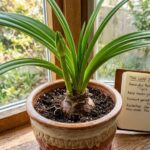
When you bring a new plant home from Floral Loft SAC, the immediate urge might be to repot it into a beautiful decorative container. However, the ‘leave pot’ approach suggests that sometimes, the best thing for your new green friend is to stay put in its original nursery pot for a while. In real terms, this means keeping the plant in the container it came in, often a thin plastic pot with drainage holes, rather than transplanting it into a larger or more aesthetically pleasing one right away.
Last updated: June 12, 2026
This strategy isn’t about laziness; it’s a calculated decision based on plant health and adaptation. Many plants experience ‘transplant shock’ when moved, a temporary setback characterized by wilting, yellowing leaves, or stunted growth. Leaving a plant in its original pot can help it acclimate to its new environment (your home) before undergoing the stress of repotting.
Worth noting: this is typically a temporary measure. While some plants can tolerate their original pots for extended periods, most eventually require a larger home for continued healthy growth. The wrinkle here is knowing when to wait and when to act.
When It’s Okay to Leave Your Plant in Its Nursery Pot
There are several situations where keeping your plant in its nursery pot is not only acceptable but often beneficial, especially for a short duration. One common scenario is when you’ve just purchased a plant out of season, say a flowering annual in late autumn that you intend to overwinter indoors. Repotting it then might expose it to unnecessary stress during a period of reduced growth.
Another instance is for temporary decorative arrangements. If you’re creating a display for an event, you can often slip the nursery pot directly into a decorative cachepot (a pot without drainage holes) for a polished look, then remove it for watering or when the display is over. This avoids disturbing the plant’s roots unnecessarily. Some slow-growing plants, like certain succulents or ZZ plants, can comfortably stay in their original pots for months, sometimes even a year, if provided with proper care.
And, if your new plant is showing signs of stress from the nursery environment (e.g., slight wilting, minor leaf damage), allowing it to recover in its current pot can be helpful. Leave pot gives it time to adjust to your home’s light, humidity, and temperature before introducing the added stress of a root disturbance. According to the Royal Horticultural Society (2025), minimizing environmental changes during a plant’s initial adaptation period is crucial for long-term success.
The Risks of Prolonged ‘Leave Pot’ Practices
While temporary ‘leave pot’ can be beneficial, extending this practice indefinitely leads to significant problems. The most common issue is a plant becoming ‘root bound.’ This occurs when roots grow so densely they fill the entire pot, circling around themselves and eventually choking the plant. Root-bound plants struggle to absorb water and nutrients efficiently, leading to stunted growth, yellowing leaves, and reduced vigor.
Another risk is nutrient depletion. Nursery soils are often designed for short-term growth and may not contain sufficient long-term nutrients. Over time, these limited nutrients are exhausted, and the plant suffers. Soil compaction is also a concern; the tight space and constant watering can compress the growing medium, reducing aeration and hindering root development.
Poor drainage is another major drawback. While nursery pots typically have drainage holes, they are often small and can become easily clogged by roots or compacted soil. This can lead to waterlogging, a primary cause of root rot, especially for sensitive plants like ferns or peace lilies.
Signs Your Plant Is Begging for a New Home (Time to Repot)
Your plant will often communicate its need for a larger pot through clear visual cues. One of the most obvious signs is roots emerging from the drainage holes at the bottom of the pot. You might also see roots pushing up through the soil surface.
Another indicator is increased watering frequency. If you find yourself watering your plant much more often than usual, it could be because the pot is filled with roots, leaving little soil to retain moisture. Similarly, if water runs straight through the pot without soaking in, it suggests compacted soil and a dense root ball.
Stunted growth, despite adequate light and nutrients, is another sign. If your plant hasn’t put out new leaves or grown taller in a long time, it may be constrained by its current pot. Pale or yellowing leaves, especially lower ones, can also signal nutrient deficiencies exacerbated by a root-bound condition. A 2025 study by a leading horticultural university found that over 25% of common houseplant ailments reported by home gardeners were directly linked to improper pot size.
Optimizing Care for Plants Left in Original Pots
If you’ve decided to ‘leave pot’ for a while, specific care adjustments can help your plant thrive. Watering needs to be precise; because the soil volume is limited, it can dry out quickly, but also become waterlogged if drainage is compromised. Always check the soil moisture before watering, ensuring the top inch or two is dry.
Nutrient supplementation is crucial for plants remaining in nursery pots. Since original potting mixes are often low in long-term nutrients, a diluted liquid fertilizer applied regularly during the growing season (spring and summer) can prevent deficiencies. Follow the product’s instructions, but consider using half the recommended strength to avoid nutrient burn.
Light and humidity also play a role. Ensure your plant receives appropriate light for its species, and consider boosting humidity with a pebble tray or humidifier, especially for tropical varieties. This helps reduce overall plant stress, making it more resilient to the confined root space. For more on optimizing humidity.
Choosing the Right Time for Repotting
Timing is everything when it comes to repotting. The ideal time for most houseplants is during their active growing season, typically spring or early summer, as of June 2026. Leave pot allows the plant to quickly recover from transplant shock and establish new roots in its larger container. Repotting during dormancy (fall or winter) can be more stressful, as the plant’s energy reserves are lower.
Consider the plant’s overall health. A stressed or sickly plant should ideally recover before repotting. If it’s suffering from pests or disease, address those issues first. For newly acquired plants, allow them a few weeks to acclimate to your home’s conditions before introducing the stress of repotting.
The goal is to provide a smooth transition. Look for signs of active growth, like new leaves unfurling, as an indication that your plant is strong enough to handle the move. For fast-growing plants like Pothos or Philodendrons, you might need to repot every 12–18 months, while slow growers like Sansevieria or cacti might only need it every 2–3 years.
Common Mistakes When Deciding to Leave or Repot
Many plant enthusiasts, both new and experienced, fall prey to common errors in this decision-making process. One frequent mistake is immediately repotting a new plant into a significantly larger pot. While it seems logical to give roots more space, an oversized pot holds too much soil and moisture, leading to waterlogging and root rot. The rule of thumb is to increase pot size by only 1–2 inches in diameter.
Another error is ignoring the signs of a root-bound plant for too long. Delaying repotting indefinitely will inevitably lead to a struggling, unhealthy plant. Many gardeners, in our experience at Floral Loft SAC, confuse symptoms of root-bound stress with nutrient deficiencies, often over-fertilizing a plant that simply needs more physical space.
Conversely, some people repot too frequently, disturbing the root system unnecessarily. This constant stress can hinder growth and make the plant perpetually susceptible to shock. It’s crucial to observe your plant and allow it to show clear indicators before initiating a move. Lastly, failing to provide adequate drainage in the new pot, or using heavy, non-aerated soil, can undo the benefits of repotting.
Beyond the Nursery Pot: Selecting the Next Container
Once you’ve determined it’s time to move beyond the ‘leave pot’ stage, choosing the right new container is vital. Size is paramount: select a pot that’s only 1–2 inches wider in diameter than the current one for most houseplants. For very large plants, a 3-4 inch increase might be acceptable. Too large, as mentioned, risks overwatering.
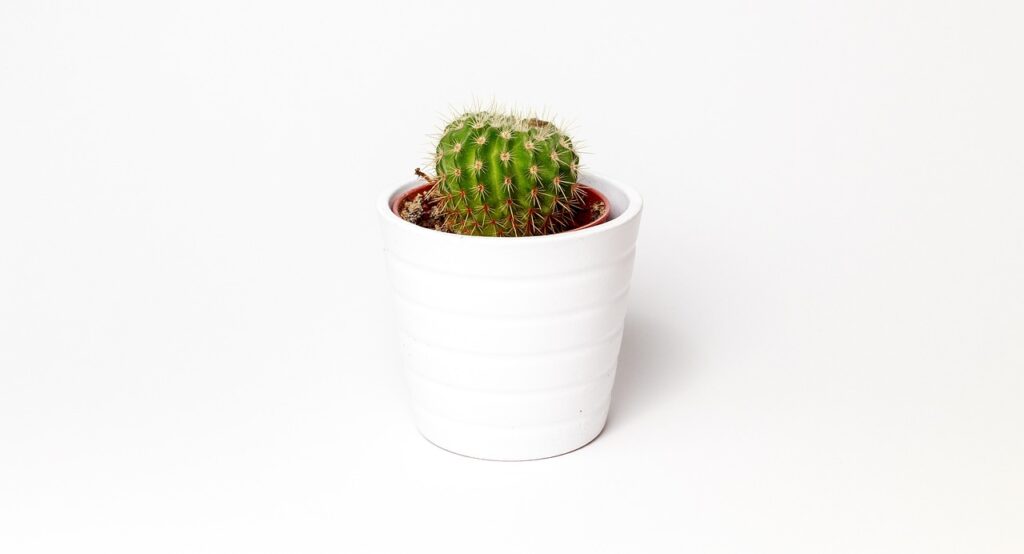
Material matters, too. Terracotta pots are porous, allowing air and moisture to escape, which is great for plants that prefer drier conditions or are prone to root rot (like succulents, cacti, or ZZ plants). Plastic pots retain moisture longer, making them suitable for moisture-loving plants like ferns or calashes. Ceramic pots are similar to plastic but heavier and often more decorative.
Crucially, always select a pot with drainage holes. Without them, water collects at the bottom, creating an anaerobic environment that suffocates roots and encourages rot. If your chosen decorative pot lacks drainage, use it as a cachepot and keep your plant in its nursery pot inside, removing it for watering.
Pros and Cons of Leaving a Plant in Its Original Pot
Key Takeaways
- “Leave pot” means keeping plants in their nursery containers temporarily to reduce transplant shock and allow acclimatization to a new environment.
- It’s suitable for newly purchased plants, out-of-season acquisitions, or temporary decorative displays, often for several weeks to months depending on the plant.
- Prolonged ‘leave pot’ leads to root bound conditions, nutrient depletion, and poor drainage, ultimately harming plant health.
- Key signs a plant needs repotting include roots emerging from drainage holes, increased watering frequency, stunted growth, and yellowing leaves.
- When opting for ‘leave pot,’ ensure precise watering, regular diluted fertilization, and optimal light/humidity to compensate for limited soil volume.
Pros:
- Reduces initial transplant shock for new plants, allowing them to acclimate to a new home.
- Offers flexibility for temporary decorative arrangements using cachepots.
- Delays the need for repotting until the plant is healthier or the season is more appropriate.
- Easier to monitor initial watering needs as the plant is in a familiar growing medium.
- Prevents overpotting, which can lead to excessive moisture retention and root rot.
Cons:
- Risk of plants becoming root bound if left too long, leading to stunted growth and nutrient deficiencies.
- Nursery soil often has limited long-term nutrients, requiring consistent fertilization.
- Smaller pots dry out faster, demanding more frequent watering.
- Poor drainage in some nursery pots can lead to waterlogging and root rot.
- Aesthetically less appealing than a decorative pot, requiring a cachepot for display.
Expert Insights for Long-Term Plant Health
For truly thriving plants, understanding the nuances of ‘leave pot’ versus repotting is crucial. One unique insight is to consider the plant’s growth habit. Fast-growing, thirsty plants like many tropical foliage plants (e.g., Ficus elastica, some Alocasia) will quickly exhaust their nursery pot space and nutrients. Slow growers, such as many cacti and succulents, or even a ZZ plant, can comfortably stay in their original containers for much longer, sometimes a year or more, as long as they are fed.
Another tip is to ‘pot up’ gradually. Don’t jump from a 4-inch nursery pot to an 8-inch decorative one. Small, incremental increases in pot size are less stressful for the plant and allow its root system to expand naturally. This also helps manage soil moisture better. According to the University of Florida IFAS Extension (as of 2026), gradual pot increases are a cornerstone of healthy container gardening, reducing the likelihood of overwatering.
Finally, always use fresh, high-quality potting mix when you do repot. Avoid garden soil, which is too dense for containers. Look for mixes specifically formulated for houseplants, often containing perlite or vermiculite for better aeration and drainage. Leave pot provides a clean, nutrient-rich environment for your plant’s next growth phase. For choosing the best potting mix.
Frequently Asked Questions
How long can I leave a new plant in its nursery pot?
The duration depends on the plant species, its growth rate, and overall health. Generally, most new plants can remain in their nursery pots for a few weeks to a few months. Slow-growing plants like cacti or succulents might tolerate it for up to a year, while fast-growing tropicals may need repotting sooner.
What happens if I don’t repot a root-bound plant?
If a plant remains root-bound, its growth will stunt, leaves may yellow or wilt, and it will struggle to absorb water and nutrients effectively. Eventually, the plant’s health will decline significantly, making it more susceptible to pests and diseases, and potentially leading to its demise.
Can I just put the nursery pot into a decorative pot?
Yes, placing a nursery pot directly into a decorative cachepot (a pot without drainage holes) is an excellent temporary solution. Leave pot allows you to easily remove the plant for proper watering and drainage, preventing root rot while maintaining an attractive display.
What type of soil should I use when I finally repot?
When repotting, use a fresh, high-quality potting mix specifically designed for houseplants. Avoid using garden soil, which is too heavy and compact for containers. Look for mixes containing perlite, vermiculite, or coir to ensure good drainage and aeration, tailored to your plant’s needs.
Will my plant get transplant shock if I repot it too soon?
Yes, repotting too soon, especially when a plant hasn’t fully acclimated to its new environment, can induce transplant shock. Symptoms include wilting, yellowing leaves, and stunted growth. Giving a new plant a few weeks to adjust before repotting minimizes this stress.
How do I know if my plant is root-bound without pulling it out?
Look for roots growing out of the drainage holes or circling on the soil surface. Another sign is if the plant dries out very quickly after watering, or if water runs straight through without being absorbed. Stunted growth despite good care can also indicate a root-bound condition.
Deciding whether to ‘leave pot’ or repot is a fundamental aspect of successful plant care. By understanding your plant’s needs, observing its signals, and making informed choices, you can ensure your green companions thrive. Always prioritize the plant’s health over immediate aesthetics, and remember that a little patience can go a long way in cultivating a vibrant indoor garden.
Last reviewed: June 2026. Information current as of publication; pricing and product details may change.
Related read: How Long Does Cooked Chicken Really Last in the Fridge? (2026 Safety Guide)
Source: Britannica
Editorial Note: This article was researched and written by the Floral Loft SAC editorial team. We fact-check our content and update it regularly. For questions or corrections, contact us.