the cell volume.
Understanding Plant Cells: A Foundational Overview
Plant cells are the fundamental units of life in the kingdom Plantae, characterized by their eukaryotic nature, meaning they possess a true nucleus and other membrane-bound organelles. These cells are highly specialized, allowing plants to perform photosynthesis, maintain structure, and transport nutrients.
Last updated: June 10, 2026
Unlike simpler prokaryotic cells, plant cells have evolved complex internal compartments, each dedicated to specific tasks. This division of labor within the cell is crucial for the efficiency and survival of multi-cellular plant organisms.
The distinct features of a plant cell enable it to play a key role in global ecosystems, from producing oxygen to forming the base of most food webs. Understanding their structure is the first step toward appreciating their ecological significance.
The Essential Plant Cell Diagram: What to Look For
A well-labeled plant cell diagram typically highlights the major organelles, providing a visual guide to their relative positions and shapes within the cell. Key components such as the cell wall, cell membrane, nucleus, chloroplasts, mitochondria, endoplasmic reticulum, Golgi apparatus, ribosomes, and the large central vacuole are always present.
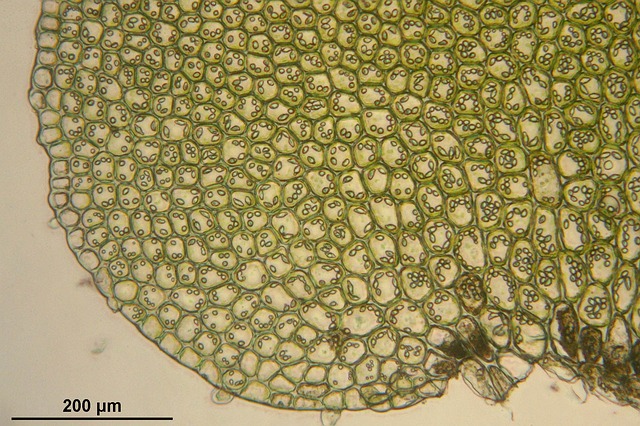
When examining a diagram, pay attention to the scale and the distinctive rectangular or polygonal shape often depicted. This shape is a direct result of the rigid cell wall, a feature absent in animal cells. Identifying these primary structures quickly helps in grasping the overall organization.
Consider how each part connects to others, as no organelle works in isolation. For instance, the nucleus directs protein synthesis, which then involves the endoplasmic reticulum and Golgi apparatus for processing and transport.

The Protective Outer Layers: Cell Wall and Plasma Membrane
The plant cell wall is a rigid, outermost layer providing structural support, protection, and maintaining the cell’s shape. Primarily composed of cellulose, hemicellulose, and pectin, it acts as a barrier against pathogens and excessive water uptake.
This strong, fibrous structure is crucial for plant turgor, allowing plants to stand upright. According to Britannica, the cell wall is one of the most defining characteristics of a plant cell. It prevents the cell from bursting when it absorbs too much water, a process vital for nutrient transport and maintaining rigidity.
Beneath the cell wall lies the plasma membrane, a selectively permeable barrier similar to that found in animal cells. This membrane regulates the passage of substances into and out of the cytoplasm, ensuring a controlled internal environment.
The Dynamic Interior: Cytoplasm and Nucleus
The cytoplasm refers to all the material within the cell membrane, excluding the nucleus. It consists of the jelly-like cytosol, where many metabolic reactions occur, and various organelles suspended within it. Cytoplasmic streaming, the active movement of cytoplasm, facilitates nutrient distribution.
At the cell’s command center is the nucleus, a large, membrane-bound organelle containing the plant’s genetic material (DNA) organized into chromosomes. The nucleus controls cell growth, metabolism, and reproduction by regulating gene expression.
The nuclear envelope, a double membrane, protects the DNA and contains nuclear pores that regulate the transport of molecules like RNA and proteins. Recent research from Mirage News and Bioengineer.org in June 2026 highlights fascinating mechanisms by which plants withstand continuous DNA damage, showcasing the nucleus’s resilience.
Energy Powerhouses and Photosynthesis Hubs: Mitochondria and Chloroplasts
Mitochondria are often called the ‘powerhouses’ of the cell, as they are responsible for cellular respiration. This process converts glucose and oxygen into ATP (adenosine triphosphate), the primary energy currency of the cell, powering various cellular activities.
Chloroplasts are the sites of photosynthesis, the process by which plants convert light energy into chemical energy. These organelles contain chlorophyll, the pigment that gives plants their green color and absorbs sunlight. This process is fundamental to nearly all life on Earth.
New findings, such as those reported by Phys.org in June 2026, reveal that heme, a molecule vital for various biological processes, acts as a hidden signal reshaping photosynthesis gene control. This demonstrates the sophisticated regulation within chloroplasts, constantly adapting to environmental cues.

Storage, Waste, and Turgor: The Central Vacuole
A distinctive feature of mature plant cells is the large central vacuole, a membrane-bound sac that can occupy up to 80% or even 90% of the cell volume, as noted by plant-biology.com. It plays multiple roles, including storing water, nutrients, ions, and waste products.
The vacuole is critical for maintaining turgor pressure against the cell wall. When the vacuole is full of water, it pushes against the cell wall, making the cell rigid and supporting the plant. This turgidity is what keeps non-woody plants upright.
Loss of water from the vacuole leads to wilting, a clear visual indicator of reduced turgor pressure. Understanding the vacuole’s role helps explain how plants respond to environmental changes, such as drought or excessive watering.
Cellular Manufacturing and Transport: Endoplasmic Reticulum and Golgi Apparatus
The endoplasmic reticulum (ER) is a network of membranes involved in protein and lipid synthesis. The rough ER, studded with ribosomes, synthesizes proteins destined for secretion or insertion into membranes, while the smooth ER is involved in lipid synthesis and detoxification.
Following synthesis, many proteins and lipids are transported to the Golgi apparatus (also known as the Golgi complex or Golgi body). This organelle modifies, sorts, and packages these molecules into vesicles for secretion or delivery to other organelles. Britannica’s recent update in June 2026 emphasizes the dynamic models of protein and vesicle movement within the Golgi.
The coordinated action of the ER and Golgi apparatus ensures that the right molecules are delivered to the correct destinations within and outside the cell, vital for plant growth and function.
Intercellular Communication: Plasmodesmata
One of the most remarkable features of plant cells is their ability to communicate directly with adjacent cells through plasmodesmata. These are microscopic channels that traverse the cell walls, connecting the cytoplasm of neighboring cells.
Plasmodesmata allow for the direct exchange of water, small solutes, and even macromolecules like proteins and RNA between cells. This intercellular transport system is vital for coordinating growth, development, and responses to environmental stimuli across the entire plant organism.
Without plasmodesmata, plant cells would be isolated units, unable to effectively share resources or signals, making large, complex plant structures impossible. They represent a unique aspect of plant cellular organization.
Beyond the Basics: Specialized Plant Cell Types
While a generic plant cell diagram shows the common organelles, plants also have specialized cell types organized into tissues, each with distinct functions. Understanding these adds another layer to interpreting the plant cell diagram.
- Parenchyma cells: These are the most common type, involved in photosynthesis, storage (e.g., starch in roots), and wound repair. They often have thin primary walls and are generally less specialized.
- Collenchyma cells: Providing flexible support to young plant parts, like stems and petioles, these cells have unevenly thickened primary cell walls and are alive at maturity.
- Sclerenchyma cells: These offer rigid support and protection to mature plant parts, featuring thick, lignified secondary walls. Sclerenchyma cells are often dead at maturity, forming structures like the tough outer layers of seeds or the fibers in wood.
- Xylem and Phloem: These form the plant’s vascular system. Xylem transports water and minerals from roots to leaves, while phloem transports sugars (food) produced during photosynthesis to other parts of the plant.
Each of these cell types, while sharing basic organelles, will show variations in the prominence or absence of certain features, reflecting their specific roles.
Plant vs. Animal Cells: Key Structural Differences
While both plant and animal cells are eukaryotic, several fundamental differences are visible in a comparative diagram. These distinctions reflect their differing lifestyles and evolutionary paths.
The most striking differences include the presence of a cell wall, chloroplasts, and a large central vacuole in plant cells, all absent in animal cells. Conversely, animal cells possess centrioles, which are typically absent in higher plant cells.
| Feature | Plant Cell | Animal Cell |
|---|---|---|
| Cell Wall | Present (cellulose) | Absent |
| Chloroplasts | Present (for photosynthesis) | Absent |
| Central Vacuole | Large, single, central | Small, multiple, or absent |
| Centrioles | Absent (except some lower plants) | Present |
| Shape | Fixed, rectangular/polygonal | Irregular/round |
| Plasmodesmata | Present | Absent |
These distinctions are not merely arbitrary; they underpin the unique capabilities of plants, such as their ability to produce their own food and maintain rigid structures without a skeletal system.
How to Interpret a Plant Cell Diagram Effectively
Interpreting a plant cell diagram goes beyond memorizing labels; it involves understanding the functional relationships between the organelles. Start by identifying the outermost structures and work your way inward.
- Identify the Cell Wall: This rigid outer layer immediately signals it’s a plant cell and provides context for its shape and turgor.
- Locate the Plasma Membrane: Situated just inside the cell wall, it controls what enters and exits the cell.
- Find the Nucleus: Usually a large, central or slightly off-center sphere, it’s the control center.
- Spot Chloroplasts: These oval-shaped organelles, often numerous, are the sites of photosynthesis and a key differentiator.
- Recognize the Central Vacuole: Its large size, often pushing other organelles to the periphery, indicates its role in storage and turgor.
- Trace the Endomembrane System: Follow the network of ER and Golgi, understanding their role in manufacturing and transport.
- Observe Plasmodesmata: Look for the channels connecting adjacent cells, signifying intercellular communication.
By systematically identifying these features and considering their functions, you can build a mental model of how the plant cell operates as a cohesive unit. This approach helps in understanding plant physiology more deeply.
Real-World Examples: Plant Cell Functions in Action
Consider a poplar tree, a common sight in many landscapes. Research highlighted by EurekAlert! In June 2026 explains how poplar trees activate molecular shields against water loss. This defense mechanism is deeply rooted in the coordinated function of its plant cells, particularly the regulation of turgor pressure by the central vacuole and the structural integrity provided by the cell wall.
Another compelling example is the process of seed development. According to Nanyang Technological University (NTU Singapore) research in June 2026, understanding how plants feed the next generation involves intricate cellular processes. The cells within the developing seed meticulously package stored nutrients, relying on the ER and Golgi apparatus for synthesis and modification, and plastids for starch storage, ensuring the embryo’s survival and subsequent germination.
These examples illustrate that the components within a plant cell diagram are not just static parts but dynamic players in the survival and propagation of plant life.
Common Misconceptions About Plant Cells
A frequent misconception is that plant cells are entirely rigid and static due to their cell wall. While the cell wall provides structure, the plasma membrane and cytoplasm within are highly dynamic. Cytoplasmic streaming, for example, is a constant movement of cytosol and organelles, facilitating internal transport and nutrient distribution.
Another error is assuming all plant cells perform photosynthesis. While chloroplasts are a hallmark feature, not all plant cells contain them. Root cells, for instance, are typically non-photosynthetic and focus on water and nutrient absorption, relying on sugars produced by photosynthetic cells in leaves and stems. They may have plastids for starch storage, but not necessarily chloroplasts for photosynthesis.
Finally, some believe that the cell wall is an impermeable barrier. In reality, plasmodesmata create vital channels for communication and transport between cells, making the plant a truly interconnected organism rather than a collection of isolated units.
Expert Insights: Advancements in Plant Cell Biology (2026)
The field of plant cell biology is far from static, with new discoveries continuously refining our understanding. As of June 2026, researchers are keenly focused on the molecular intricacies of plant resilience and adaptation. The discovery of heme’s role in photosynthesis gene control, as discussed by Phys.org, opens new avenues for enhancing plant efficiency.
Another area of significant progress is understanding plant DNA repair mechanisms. Recent studies published in Mirage News and Bioengineer.org shed light on how plants effectively withstand continuous DNA damage, a critical insight for developing more strong crops.
Working with plant cells for research, we consistently find that their adaptability to environmental stresses—from drought to pathogens—is a testament to highly sophisticated cellular signaling pathways. These insights are not just academic; they hold immense promise for agricultural innovation, potentially leading to hardier, more productive plants in a changing climate.
Frequently Asked Questions
What is the primary function of the plant cell wall?
The plant cell wall provides rigid structural support, protects the cell from mechanical stress and pathogens, and prevents excessive water uptake. Composed mainly of cellulose, it maintains the cell’s shape and is crucial for the plant’s overall upright posture.
Do all plant cells have chloroplasts?
No, not all plant cells contain chloroplasts. While cells in leaves and green stems have chloroplasts for photosynthesis, cells in roots, for example, typically lack them as they are underground and not exposed to light. Root cells focus on water and nutrient absorption and often store starch in other plastids.
How does the central vacuole contribute to plant rigidity?
The large central vacuole in a plant cell absorbs water, swelling and pushing against the cell wall. This creates turgor pressure, which makes the cell firm and rigid. When many cells maintain high turgor pressure, the entire plant remains upright and firm; a lack of turgor causes wilting.
What are plasmodesmata and why are they important?
Plasmodesmata are microscopic channels that connect the cytoplasm of adjacent plant cells through their cell walls. They are vital for intercellular communication and transport, allowing water, nutrients, and signaling molecules to pass directly between cells, coordinating functions across the plant.
What are the key differences between a plant and animal cell diagram?
A plant cell diagram will conspicuously feature a rigid cell wall, chloroplasts, and a large central vacuole, all of which are absent in animal cells. Conversely, animal cell diagrams show centrioles, which are typically not found in higher plant cells.
How does the Golgi apparatus function in a plant cell?
The Golgi apparatus in a plant cell, similar to animal cells, modifies, sorts, and packages proteins and lipids synthesized in the endoplasmic reticulum. It also plays a crucial role in synthesizing components of the cell wall, such as pectin and hemicellulose, and transporting them to the cell surface.
Can plant cells survive without a nucleus?
Most mature plant cells can’t survive indefinitely without a nucleus because it contains the genetic material essential for controlling cell activities and synthesizing necessary proteins. However, some specialized cells, like mature sieve tube elements in phloem, lose their nucleus but remain functional with the help of companion cells.
Conclusion
The plant cell diagram is a gateway to understanding the incredible complexity and resilience of plant life. Each organelle, from the protective cell wall to the photosynthetic chloroplasts and the turgor-maintaining vacuole, plays an indispensable role in the plant’s survival and interaction with its environment. As of June 2026, ongoing research continues to unveil the intricate signaling and adaptive mechanisms within these cells, underscoring their dynamic nature.
By appreciating the detailed structure of a plant cell, you gain a deeper insight into the fundamental processes that sustain our planet. Take the time to study these diagrams, internalize the functions, and marvel at the microscopic architecture that underpins all macroscopic plant beauty. What Time Zone of California? A 2026 Guide to Pacific Time
Last reviewed: June 2026. Information current as of publication; pricing and product details may change.
Related read: How Many Stomachs Does a Cow Have? Unpacking Bovine Digestion in 2026
Editorial Note: This article was researched and written by the Floral Loft SAC editorial team. We fact-check our content and update it regularly. For questions or corrections, contact us. Knowing how to address plant cell diagram early makes the rest of your plan easier to keep on track.