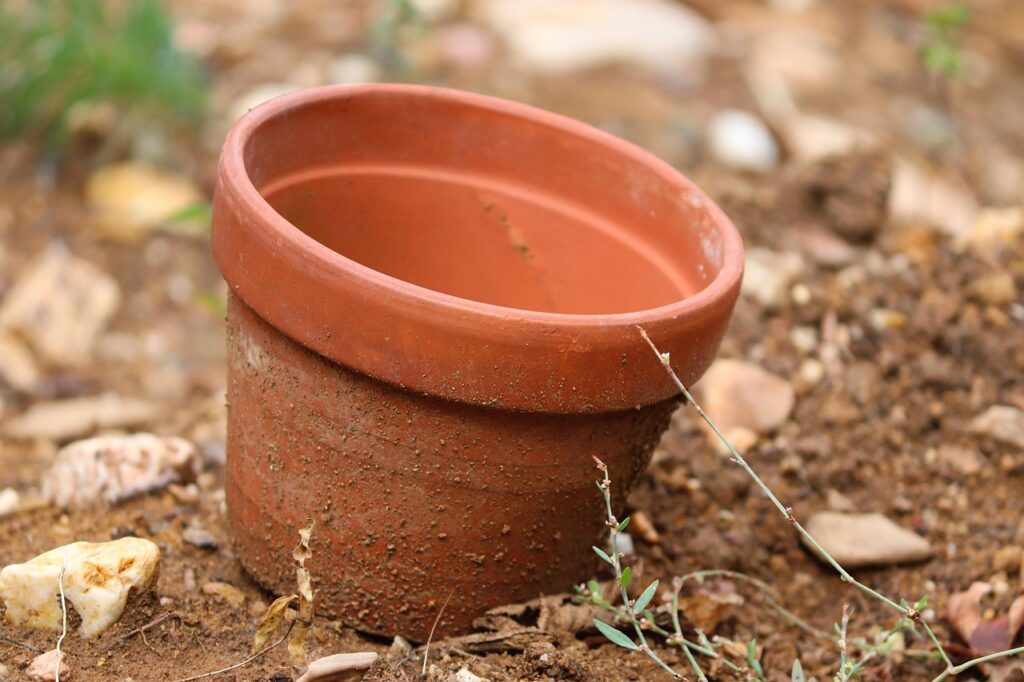
This guide covers everything about terracotta terracotta. When Sarah decided to revitalize her patio garden last spring, she faced a common dilemma: plastic or natural pots? She chose terracotta, remembering its timeless charm and the way her grandmother’s plants always thrived. Six months later, her herbs were healthier, and her succulents were flourishing. Why does this ancient material continue to be a top choice for gardeners and designers alike?
Last updated: June 10, 2026
Key Takeaways
- Terracotta is a porous, clay-based ceramic fired at low temperatures, known for its natural reddish-brown hue.
- Its excellent breathability and drainage make it ideal for plant health, especially for species prone to root rot.
- Terracotta finds extensive use in pottery, flooring, roofing, and decorative architectural elements globally.
- Proper sealing and maintenance are crucial for terracotta tiles and outdoor pottery to ensure longevity and prevent moisture damage.
- While authentic terracotta offers unique benefits, modern ‘terracotta-look’ porcelain and ceramic tiles provide durability and low maintenance.
What is Terracotta? Earth’s Enduring Material
Terracotta, literally meaning ‘baked earth’ in Italian (from Latin terra cocta), is a type of earthenware ceramic. It’s crafted from natural clay, typically iron-rich, which gives it a distinctive reddish-brown to orange color after firing. Unlike stoneware or porcelain, terracotta is fired at relatively lower temperatures, usually between 1,000°C and 1,200°C (1,832°F and 2,192°F). This lower firing results in a non-vitreous, porous material.
In real terms, this porosity is key to many of terracotta’s unique properties. It allows air and moisture to pass through, making it an excellent choice for plant pots by promoting aeration and preventing waterlogging. This characteristic also means it requires sealing when used for flooring or outdoor architectural elements to protect against moisture absorption and staining.
Worth noting, the natural color can vary significantly based on the specific clay composition and firing conditions. From light sandy tones to deep rusty reds, each piece of authentic terracotta possesses a unique, organic charm.
The Rich History of Terracotta Across Civilizations
Terracotta’s story began thousands of years ago, making it one of humanity’s oldest ceramic materials. Its ease of production and abundant raw materials meant it was adopted by cultures worldwide for everything from utilitarian objects to intricate art and monumental architecture. According to Britannica, small terracotta figures date back as early as 3000 BCE in Greece, with larger objects from the 7th century BCE.
Ancient civilizations, including the Greeks, Etruscans, and Romans, extensively used terracotta for roof tiles, sarcophagi, and sculptures. A prime example is China’s Terracotta Army, an astonishing collection of life-sized soldier sculptures dating from the 3rd century BCE, demonstrating the material’s structural capabilities and artistic potential on a grand scale.
Across the Mediterranean, terracotta became synonymous with rustic charm and practical design, particularly for flooring and roofing. Its ability to insulate against heat and cold made it a practical choice for homes in varied climates, a legacy that continues to influence modern design aesthetics as of June 2026.
Why Choose Terracotta for Your Plants? Breathability and Health
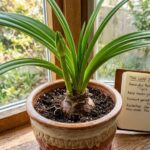
For plant enthusiasts, the benefits of terracotta pots are substantial. The porous nature of unglazed terracotta allows for excellent air circulation to the root system, which is crucial for preventing root rot. This breathability also facilitates evaporative cooling, keeping soil temperatures more stable and often cooler in hot climates.
Consider a scenario where a succulent, like a ‘Jade Plant’ (Crassula ovata), is planted in a plastic pot versus a terracotta one. In the plastic pot, moisture lingers, increasing the risk of root rot for this drought-loving plant. In terracotta, excess water wicks through the pot walls and evaporates, providing a drier, more aerated environment that succulents prefer. This natural wicking action also helps prevent salt buildup in the soil.
The wrinkle here: While beneficial for many plants, especially those that prefer drier conditions like cacti, succulents, and some herbs, highly porous terracotta might mean more frequent watering for moisture-loving plants such as ferns or peace lilies. For these, a glazed terracotta pot or more attentive watering might be necessary.
Terracotta Tiles: Flooring and Architectural Applications
Beyond gardening, terracotta tiles are celebrated for their natural beauty and durability in architectural contexts. From traditional Spanish villas to modern rustic interiors, terracotta flooring offers a warm, inviting aesthetic. These tiles are typically thicker and fired at slightly higher temperatures than pottery, making them suitable for high-traffic areas.
Installation, however, can be more challenging than with other tile types due to their inherent fragility before setting and their porous nature. According to TileBar.com, terracotta tiles can be prone to breaking or cracking easily during handling, requiring skilled installers. Once installed, sealing is paramount to protect against stains and moisture absorption, especially in kitchens or bathrooms.
Terracotta roofing tiles are also a classic choice in many regions, particularly the Mediterranean and Latin America. Their thermal mass helps regulate indoor temperatures, keeping buildings cooler in summer and warmer in winter. This natural insulation contributes to energy efficiency, a valuable trait in 2026’s focus on sustainable building practices.
True Terracotta vs. Terracotta-Lookalikes: Understanding the Differences
As the demand for the terracotta aesthetic grows, so does the market for alternatives. Shoppers in June 2026 often encounter products labeled ‘terracotta-look’ which are typically porcelain or ceramic tiles designed to mimic the color and texture of authentic terracotta. Understanding the differences is crucial for choosing the right material for your project.
True terracotta is unglazed, porous, and has a rustic, uneven finish. Its performance characteristics, such as breathability for plants or the need for sealing in tiles, stem directly from this natural composition. ‘Terracotta-look’ alternatives, on the other hand, are often glazed, non-porous, and significantly more durable, requiring less maintenance.
For instance, while a true terracotta floor tile might cost between $3 and $15 per square foot (DDSTile.com estimates), requiring diligent sealing, a high-quality porcelain ‘terracotta-look’ tile might range from $5 to $20 per square foot (TileBar.com mentions ranges up to $20), offering superior resistance to water and stains without the same sealing regimen. The choice often comes down to prioritizing authentic material properties and aesthetic versus modern convenience and durability.
| Feature | Authentic Terracotta | ‘Terracotta-Look’ Porcelain/Ceramic |
|---|---|---|
| Material Composition | Natural, unglazed fired clay | Manufactured, often glazed porcelain or ceramic |
| Porosity | High (allows water/air transfer) | Low to none (water and stain resistant) |
| Maintenance | Requires sealing (tiles), regular cleaning | Low; no sealing required, easy to clean |
| Durability | Moderate; prone to chipping/cracking if unsealed | High; very resistant to wear, stains, and impact |
| Aesthetic | Rustic, matte, natural variations | Consistent, can mimic rustic but often more uniform |
| Ideal Use | Plant pots, low-traffic floors, wall decor | High-traffic floors, bathrooms, outdoor areas |
Caring for Your Terracotta: Maintenance and Longevity
Proper care is essential to ensure the longevity and beauty of your terracotta items, whether they are terracotta floor tiles or garden pots. For tiles, sealing is the most critical step. After installation, and periodically thereafter, a penetrating sealer should be applied to prevent moisture absorption, staining, and the growth of mold or mildew. Riad Tile recommends specific maintenance for terracotta to preserve its color and durability.
For terracotta pots, especially unglazed ones, the care routine is slightly different. While sealing can be done to reduce moisture loss and keep the pot’s exterior cleaner, many gardeners prefer them unsealed for maximum breathability. To clean terracotta pots, scrub them with a stiff brush and warm water to remove mineral buildup and algae. A diluted bleach solution can be used for stubborn stains, followed by a thorough rinse to prevent chemical residue from affecting plants.
Pros of Terracotta
- Excellent for Plant Health: Porosity promotes aeration and drainage, preventing root rot.
- Natural Aesthetic: Adds a rustic, warm, and classic look to any space.
- Thermal Regulation: Keeps soil temperatures stable, cooling in hot weather.
- Eco-Friendly: Made from natural clay, a renewable resource.
- Affordable: Generally more budget-friendly than many other natural materials.
Cons of Terracotta
- Fragility: Prone to breaking or chipping, especially during handling and freezing temperatures.
- Porosity Requires Sealing: Tiles and outdoor decor need regular sealing to prevent stains and damage.
- Weight: Can be heavy, particularly larger pots or tiles, making them harder to move.
- Mineral Buildup: White mineral deposits can appear on unglazed pots over time, requiring cleaning.
- Water Loss: Unsealed pots dry out faster, requiring more frequent watering for some plants.
Common Mistakes to Avoid with Terracotta
Despite its many advantages, missteps in using or caring for terracotta can lead to frustration. One common mistake with terracotta tiles is neglecting proper sealing. Unsealed tiles are highly susceptible to staining from spills, dirt, and even plain water, which can leave permanent marks. Always apply a high-quality penetrating sealer immediately after installation and reapply every few years, or as recommended by the manufacturer, to maintain protection.
Another error, particularly for gardeners, is using unglazed terracotta pots for plants that demand consistently moist soil, like carnivorous plants or certain tropical varieties. The rapid evaporation can stress these plants, leading to wilting or stunted growth. For these species, consider glazed terracotta or plastic alternatives, or place the terracotta pot inside a larger, non-porous container to create a microclimate.
Finally, ignoring drainage in terracotta pots can still lead to problems. While the material is porous, a pot without a drainage hole or with a clogged one will still allow water to pool at the bottom, risking root rot. Always ensure adequate drainage, possibly by adding a layer of coarse gravel or broken pottery shards at the bottom before adding soil.
Expert Tips for Maximizing Terracotta Benefits
using terracotta’s unique properties can elevate your gardening and home design. For outdoor planters in colder climates, consider bringing terracotta pots indoors during winter months or using ‘frost-resistant’ varieties if available. The porosity that helps plants in summer can cause water trapped in the clay to freeze and expand, leading to cracks.
When selecting terracotta pots for plants, think about the plant’s native environment. Succulents and cacti thrive in unglazed pots due to their arid origins and need for quick-draining soil. For plants requiring more consistent moisture, like many flowering annuals, a glazed terracotta pot or even a plastic liner inside an unglazed pot can help retain moisture while still offering the aesthetic appeal of terra cotta decor.
For interior design, integrate terracotta tiles in areas where their rustic charm can truly shine, such as sunrooms, entryways, or even as accent walls. For a harmonious look, pair terracotta with natural materials like wood, linen, and jute. As of June 2026, minimalist and Mediterranean-inspired decor trends often feature terracotta elements for warmth and texture.
Frequently Asked Questions
What is the difference between terracotta and ceramic?
Terracotta is a specific type of ceramic, characterized by its low firing temperature, iron-rich clay composition, and porous, unglazed finish. Other ceramics, like stoneware or porcelain, are fired at higher temperatures, resulting in denser, less porous, and often glazed finishes with a wider range of colors.
How do I clean terracotta pots?
To clean terracotta pots, first remove any loose soil. Then, scrub them with a stiff brush under warm water. For stubborn mineral deposits or algae, a mixture of equal parts white vinegar and water, or a diluted bleach solution (1 part bleach to 9 parts water), can be used. Rinse thoroughly afterward to remove any residue.
Can terracotta tiles be used outdoors?
Yes, terracotta tiles are commonly used outdoors, especially in warmer climates, for patios, pathways, and roofing. However, outdoor terracotta tiles require proper sealing to protect them from moisture, staining, and frost damage. In regions with harsh winters, ensure you use frost-resistant terracotta.
Does terracotta break easily?
Unglazed terracotta is more fragile than higher-fired ceramics like stoneware or porcelain. It can chip or crack if dropped or subjected to sudden temperature changes, especially freezing. Its porosity also makes it susceptible to damage from expanding ice if left outdoors in cold, wet conditions without proper drainage.
Is terracotta sustainable?
Terracotta is generally considered a sustainable material as it’s made from abundant natural clay and fired using relatively less energy than other high-fired ceramics. Its durability means a long lifespan, reducing waste. However, the energy consumption for firing and transportation should be considered in its overall environmental footprint.
How much do terracotta tiles cost in 2026?
As of June 2026, the cost of authentic terracotta tiles can vary widely based on origin, craftsmanship, and size. Basic machine-made tiles might start around $3-$5 per square foot, while handmade Spanish or Mexican terracotta can range from $10-$30 per square foot. Specialty or antique tiles can exceed $40 per square foot.
Conclusion
Terracotta, with its grounding presence and undeniable functionality, remains a cornerstone material in both horticulture and architectural design. Its ability to nurture plant life through natural aeration and its rustic aesthetic appeal ensure its continued relevance. By understanding its properties, embracing proper care, and distinguishing between authentic and modern alternatives, you can make informed choices that bring the timeless charm and practical benefits of terracotta to your floral loft or living space.
Last reviewed: June 2026. Information current as of publication; pricing and product details may change.
Related read: Terracotta: Earth's Timeless Material for Modern Spaces in 2026
Editorial Note: This article was researched and written by the Floral Loft SAC editorial team. We fact-check our content and update it regularly. For questions or corrections, contact us. Knowing how to address terracotta terracotta early makes the rest of your plan easier to keep on track.