When you hear ‘climbing hydrangea,’ visions of lush, green walls adorned with beautiful white blooms often come to mind. Many gardeners are drawn to its promise of being a ‘low-maintenance’ vine once established. However, this common perception often overlooks the significant upfront effort and ongoing management required to truly cultivate a thriving climbing hydrangea.
Last updated: June 12, 2026
Key Takeaways
- Climbing hydrangea is a vigorous vine requiring substantial initial training and strong support.
- Its ‘low-maintenance’ reputation applies primarily to established plants, not the crucial first few years.
- Proper site selection, especially for shade and sturdy structures, is vital for long-term success.
- Annual pruning is essential to manage growth, encourage flowering, and prevent structural damage.
- Consider varieties like Hydrangea anomaly subs. Petiolar is for their classic charm and resilience.
Climbing Hydrangea: The Unseen Demands Behind ‘Low-Maintenance’
The allure of a ‘low-maintenance’ plant is powerful, especially for busy gardeners. While a mature climbing hydrangea (Hydrangea anomaly subs. Petiolar is) can indeed be self-sufficient, reaching impressive heights with minimal intervention, this ease doesn’t materialize overnight. The first three to five years demand a dedicated approach to ensure proper establishment and prevent future issues.
Many first-time growers underestimate the initial training period. Unlike, some other vines that quickly grasp onto surfaces, climbing hydrangeas need careful guidance to develop their aerial roots and adhere effectively. Neglecting this early stage can lead to a sprawling, untidy plant that struggles to climb vertically, defeating its primary purpose.
In real terms, this means more than just planting it and walking away. It involves consistent tying, gentle redirection, and ensuring the plant has the right surface to cling to. Without this groundwork, the ‘low-maintenance’ dream can quickly turn into a frustrating tangle.
Understanding the Climb: How Climbing Hydrangeas Adhere
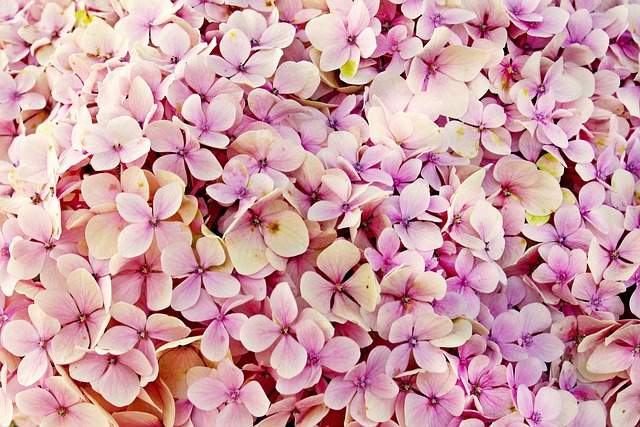
Climbing hydrangeas are fascinating plants that use a unique method for vertical ascent. They are true self-clinging vines, producing small aerial roots (holdfasts) along their stems. These roots exude a sticky substance that allows them to adhere firmly to rough surfaces like brick, stone, or tree bark.
This self-clinging ability means they don’t need wires or elaborate trellises in the same way some other vines do. However, the surface must be conducive to adhesion. Smooth, painted surfaces or vinyl siding offer little purchase for these roots, often resulting in a plant that sags or falls away. For optimal adhesion, a textured, porous surface is ideal, allowing the roots to grip securely.
Worth noting, while they cling, they don’t typically cause structural damage to sound masonry. However, if they grow into cracks or behind loose siding, their thickening stems can exacerbate existing damage over time. Careful placement and monitoring are essential to prevent this. According to the Royal Horticultural Society (2026), these plants can reach heights of 8–12 meters, emphasizing the need for strong support and regular checks.
Choosing the Right Climbing Hydrangea Variety for Your Space
While the most common and widely available species is Hydrangea anomaly subs. Petiolar is, often simply called climbing hydrangea, there are a few other types and cultivars to consider, each with subtle differences in size, bloom, and leaf characteristics. Understanding these distinctions helps in selecting the best fit for your garden’s specific conditions and aesthetic goals.
For instance, ‘Miranda’ is a popular cultivar of H. Petiolar is known for its variegated leaves, offering visual interest even when not in bloom. Another less common, but equally striking, option is Hydrangea serratifolia, sometimes referred to as Chilean climbing hydrangea. This species is often evergreen, providing year-round foliage, which is a significant departure from the deciduous nature of H. Petiolar is.
When selecting, consider the mature size and spread. H. Petiolar is can easily reach 30–50 feet in height and spread 10–20 feet wide, a scale that demands significant space and a sturdy structure. If you need a more modest climber, some newer cultivars may offer slightly smaller dimensions, though vigorous growth is a hallmark of most climbing hydrangeas. Always check the plant tag for specific mature sizes as of 2026.
Planting and Initial Training: The Critical First Year
Proper planting and immediate, consistent training are paramount for a successful climbing hydrangea. Unlike many shrubs, where initial placement is enough, a climbing vine needs an early assist to get going. This crucial period, typically the first growing season, sets the stage for the plant’s long-term health and climbing ability.
- Choose the Right Spot: Select a location with partial to full shade, especially from harsh afternoon sun. The soil should be well-draining and rich in organic matter. Plant at least 12–18 inches away from the structure it will climb to allow root development and air circulation.
- Prepare the Soil: Dig a hole twice as wide as the root ball and just as deep. Amend heavy clay soils with compost to improve drainage. This is a long-term commitment, so giving it a good start is essential.
- Planting: Gently remove the climbing hydrangea from its container, loosen any circling roots, and place it in the hole so the top of the root ball is level with the soil surface. Backfill with soil, tamp gently, and water thoroughly.
- Initial Training: Immediately after planting, begin training. Gently lean the stems towards the support structure. Use soft ties, such as twine or plant clips, to secure the main stems to the support. This isn’t about forcing it, but guiding it. The plant’s aerial roots will take over, but they need to find their way first.
- Watering: Keep the soil consistently moist, especially during its first year. Regular, deep watering encourages strong root development, which is vital for vigorous growth.
Ongoing Care and Pruning for Vigorous Growth
While the ‘low-maintenance’ label might apply once established, ‘no-maintenance’ it’s not. Ongoing care, particularly annual pruning, is essential to manage the plant’s vigorous growth, maintain its shape, and encourage a healthy bloom cycle. Without it, a climbing hydrangea can quickly become overgrown, heavy, and potentially damaging to its support structure.
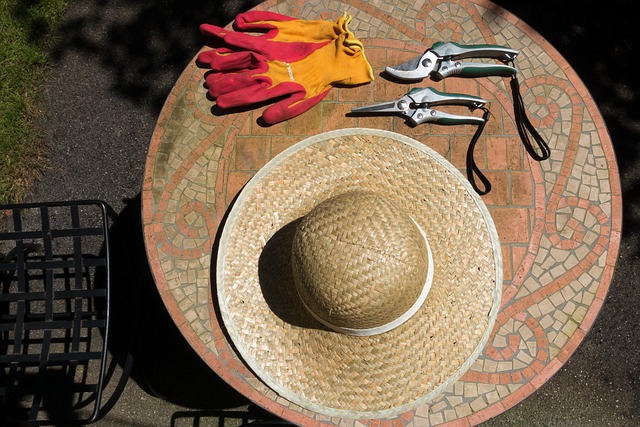
Pruning should primarily be done after the plant has finished flowering in early to mid-summer. Climbing hydrangea allows you to remove spent blooms and shape the plant without sacrificing the next year’s flowers, which form on old wood. Focus on removing dead, damaged, or crossing branches. You can also thin out congested areas to improve air circulation and light penetration.
For more aggressive control or rejuvenation, heavier pruning can be undertaken in late winter or early spring while the plant is dormant. This is particularly useful for managing size or encouraging new growth from the base. However, be aware that heavy winter pruning might reduce the floral display for the upcoming season.
Climbing Hydrangea: The Good, The Bad, and The Vigorous
Understanding the full spectrum of a plant’s characteristics—its benefits and its drawbacks—is crucial for successful gardening. Climbing hydrangea, with its impressive scale and beautiful blooms, comes with a unique set of considerations.
Pros
- Stunning Visual Impact: Creates a dramatic display with its large lace cap flowers and lush foliage.
- Shade Tolerant: Thrives in shaded or partially shaded areas where many flowering plants struggle.
- Attractive Winter Interest: Features beautiful exfoliating cinnamon-colored bark on mature stems.
- Long-Lived: Once established, it can live for many decades, becoming a permanent landscape feature.
- Self-Clinging: Uses aerial roots to attach to surfaces, reducing the need for extensive tying.
Cons
- Slow to Establish: Can take several years to show vigorous climbing, requiring patience and initial training.
- Heavy and Vigorous: Mature plants become very heavy and can overwhelm or damage weak support structures.
- Aggressive Growth: Requires annual pruning to manage size and prevent unwanted spread into gutters or windows.
- Potential for Damage: Aerial roots can cling very tightly, making removal difficult and potentially damaging paint or siding.
- Deciduous Nature: Loses its leaves in winter (for H. Petiolar is), leaving bare stems, though the bark is attractive.
Common Mistakes to Avoid with Climbing Hydrangeas
Even experienced gardeners can fall prey to common pitfalls when cultivating climbing hydrangeas. Avoiding these mistakes can save significant time, effort, and potential structural damage to your property. Understanding these challenges proactively is key to enjoying this magnificent vine.
One frequent error is planting too close to the support structure. This restricts air circulation, making the plant more susceptible to fungal diseases and hindering proper root development. Always ensure at least a foot of space between the plant’s base and the wall or trellis. Another mistake is expecting instant results; its slow establishment can lead to impatience and over-fertilization, which often does more harm than good.
The most critical mistake is underestimating its mature weight and vigor. Many gardeners provide inadequate support, leading to collapsing trellises or detached sections of the vine from walls. Ensure your chosen support can handle a massive, woody plant that will likely weigh hundreds of pounds when fully mature. For instance, a lightweight wooden trellis might suffice for a small clematis, but a climbing hydrangea demands heavy-duty construction or a solid masonry wall.
Expert Tips for Maximizing Impact and Health
To truly unlock the potential of your climbing hydrangea and avoid common frustrations, consider these expert insights gleaned from years of working with vigorous climbers. These tips go beyond basic care, focusing on strategic management and long-term health for your plant.
Strategic Support Placement: Instead of letting the vine cling directly to a painted house wall, install a sturdy, open trellis or strong wires 4–6 inches away from the wall. This creates an air gap, preventing moisture buildup against your siding and making future maintenance or painting much easier. The climbing hydrangea will still attach to the trellis, offering the desired vertical greening without direct wall contact. In our observation, this simple step saves homeowners significant hassle down the line. Climbing Hydrangea: The Unspoken Truths of a ‘Low-Maintenance’ Vine
Embrace the Ground cover Potential: While famed for climbing, H. Petiolar is also makes an excellent, dense ground cover in shaded areas. If you have a difficult, sloped, or shady spot where grass struggles, consider letting a climbing hydrangea sprawl. It will root wherever stems touch the ground, creating a verdant, weed-suppressing carpet. This can be a brilliant solution for challenging parts of the garden, offering a different kind of ‘low-maintenance’ benefit once established.
Know Your Pruning Goals: Before you make a cut, decide what you want to achieve. Are you shaping? Reducing size? Encouraging more blooms? Knowing your goal will guide your cuts. For instance, if you want more blooms, focus on thinning congested areas to improve light exposure to existing woody stems. If you’re managing size, don’t be afraid to cut back leaders to a strong side branch. According to Garden Design (2026), consistent, purposeful pruning is key to a healthy, well-behaved vine.
Water Wisely, Especially in Dry Spells: Even established climbing hydrangeas, particularly those on walls that receive less natural rainfall, can benefit from supplemental deep watering during prolonged dry periods in summer. This ensures vibrant foliage and minimizes stress, especially for plants in full shade which might compete with tree roots for moisture.
Frequently Asked Questions
Does climbing hydrangea damage brick?
Climbing hydrangea generally doesn’t damage sound brick or masonry. Its aerial roots adhere to surfaces but don’t penetrate them. However, if there are existing cracks or loose mortar, the plant’s growth can exacerbate these weaknesses over time. It’s crucial to ensure your wall is in good condition before planting.
How fast does climbing hydrangea grow?
Climbing hydrangea is notably slow to establish, often showing minimal vertical growth for the first 2–3 years as it develops its root system. Once established, it can grow quite vigorously, often adding 1–3 feet per year, with mature plants reaching 30–50 feet in height.
When does climbing hydrangea bloom?
Climbing hydrangea typically blooms in late spring to early summer. In most climates, you can expect its characteristic white, lace cap-style flowers from late May through June, though exact timing can vary with local conditions and specific cultivars.
Can climbing hydrangea grow in full sun?
While climbing hydrangea prefers partial to full shade, it can tolerate some morning sun. However, it generally struggles in intense, all-day full sun, especially in warmer climates. Too much sun can lead to scorched leaves and reduced flowering, making shade a preferred location.
Is climbing hydrangea evergreen?
The most common variety, Hydrangea anomaly subs. Petiolar is, is deciduous, meaning it loses its leaves in winter. However, certain lesser-known species like Hydrangea serratifolia (Chilean climbing hydrangea) are evergreen, offering year-round foliage. Always check the specific species or cultivar when purchasing.
How do I prune an overgrown climbing hydrangea?
For an overgrown climbing hydrangea, heavy pruning can be done in late winter or early spring while the plant is dormant. Remove up to one-third of the oldest, thickest stems at the base to rejuvenate growth. For general shaping and maintenance, prune after flowering in early summer to remove dead or unwanted growth.
In the end, embracing the climbing hydrangea for what it truly is—a magnificent, vigorous vine that rewards thoughtful cultivation—will lead to the most satisfying results. It’s a commitment, but one that pays dividends in lush foliage, stunning blooms, and impressive vertical greenery.
Last reviewed: June 2026. Information current as of publication; pricing and product details may change.
Editorial Note: This article was researched and written by the Floral Loft SAC editorial team. We fact-check our content and update it regularly. For questions or corrections, contact us.