

ith the summer 2026 season well underway for optimal fiber harvest and animal comfort.
Physical Distinctions: Size, Ears, and Faces
The most immediate way to tell an alpaca vs llama apart is by their physical appearance, particularly their size, ear shape, and facial structure. These features are not just cosmetic; they reflect thousands of years of selective breeding and adaptation to different roles.
Last updated: June 10, 2026
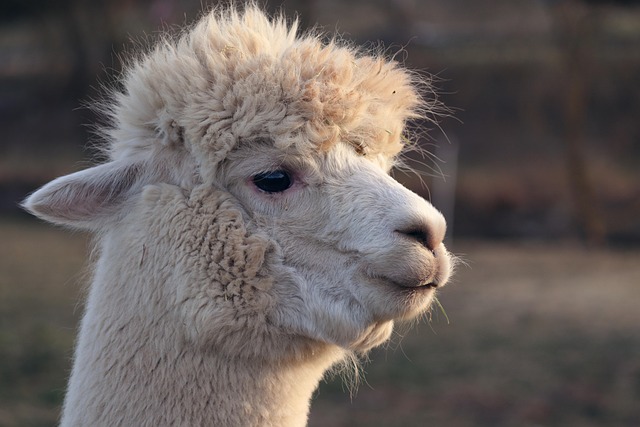
Alpacas are noticeably smaller, standing about 90 cm (35 inches) high at the shoulder, weighing between 55 and 65 kg (121 to 143 pounds). Their faces are typically rounder and appear more ‘smushed’ or compact. Their ears are short and spear-shaped, often described as almond-shaped, giving them a perpetually curious expression.
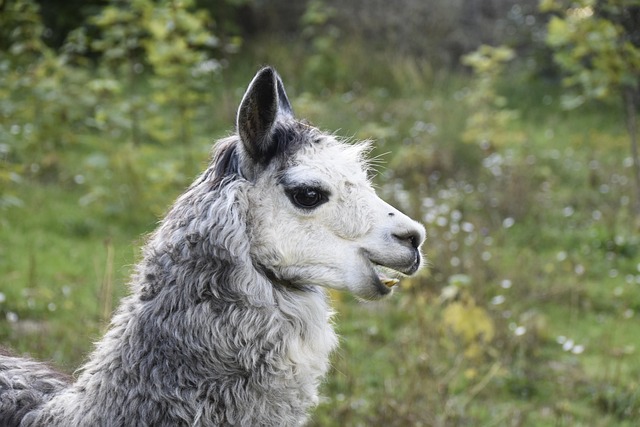
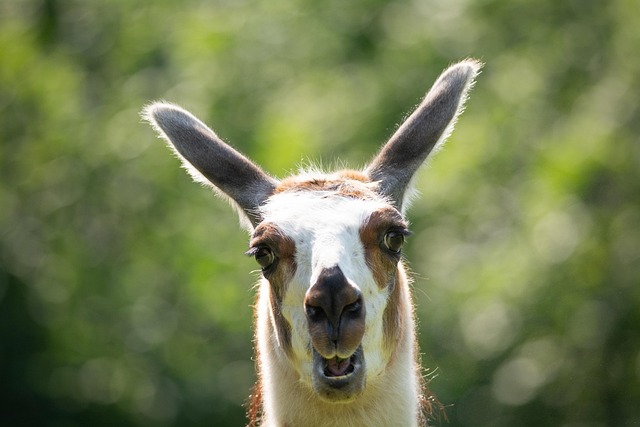
Llamas, by contrast, are significantly larger. They stand around 120 cm (47 inches) at the shoulder and can weigh about 113 kg (250 pounds), often more. Their faces are longer and more elongated. The most distinctive feature of a llama is its long, banana-shaped ears, which curve inward, a defining trait that makes them easy to spot even from a distance.
Worth noting, while both species are covered in fleece, an alpaca’s fiber often grows much denser and covers almost its entire body, including its legs and head, giving it a more uniform, fluffy appearance. Llamas tend to have coarser outer guard hairs with finer undercoats, and their faces and legs are usually less densely covered.
Fiber Quality and Economic Purpose
The primary reason for distinguishing an alpaca vs llama often lies in their fiber—or lack thereof, in the case of llamas. Alpacas are revered globally for their luxurious fleece, while llamas have traditionally been valued for their utility as pack animals.
Alpaca fiber is incredibly soft, lightweight, and warm, with a silky sheen. It’s often compared to cashmere for its fineness, typically ranging from 18 to 25 microns in diameter. This fine fiber is highly sought after by textile manufacturers for high-end clothing, blankets, and other luxury goods. According to the Alpaca Owners Association Inc. (AOA) as of 2026, there are two main breeds: Huacaya, which has a crimpy, dense, sheep-like fleece, and Suri, known for its long, lustrous, dreadlock-like fiber. The hollow core of alpaca fiber contributes to its exceptional thermal insulation and light weight, a unique insight that differentiates it from sheep’s wool.
Llama fiber, while useful, is generally much coarser, ranging from 30 microns upwards, and typically consists of a double coat: a coarse outer guard hair and a softer inner fleece. This fiber is less uniform and usually requires dehairing to separate the soft undercoat from the coarser protective hairs. Llama fiber is often used for rugs, ropes, or less delicate garments, or blended with other fibers. While some llamas are bred for finer fiber, their primary economic value remains in their strength and ability to carry loads, often up to 25-30% of their body weight over long distances in rugged terrain.
Temperament and Behavioral Traits
Beyond physical traits, the temperament of an alpaca vs llama also presents notable differences, impacting how they interact with humans and other animals. These behavioral nuances are key considerations for anyone looking to bring these animals onto their property.
Alpacas are generally shy, gentle, and very herd-oriented. They thrive in groups and can become stressed if isolated. They communicate through soft humming sounds and body language, rarely spitting at humans unless severely provoked or feeling threatened. Their docile nature makes them popular for fiber farms and agritourism, where visitors can interact with them. Working with alpacas during seasonal shearing, which is a major activity in June 2026 for many farms, requires a calm approach due to their timid disposition.
Llamas tend to be more independent, confident, and inquisitive. While they can be affectionate, they are not as prone to herd cohesion as alpacas and often show a more assertive personality. Llamas are well-known for their spitting, which they primarily use as a warning within their herd hierarchy or when feeling threatened. However, a well-socialized llama rarely spits at humans without reason. Their assertive nature, combined with their size, makes them excellent guard animals for flocks of sheep or goats, a role alpacas are generally too small and timid to fulfill effectively.
Domestication and Historical Roles
The divergent paths of domestication have shaped the roles and characteristics of alpacas and llamas throughout history, particularly in the Andean regions of South America. Their wild ancestors, the vicuña and guanaco, still roam freely in the highlands.
Alpacas were domesticated from the vicuña approximately 6,000 years ago in the high Andes. Their primary purpose was, and remains, the production of their exquisite fiber. Indigenous cultures, such as the Inca, highly valued alpaca fleece for its warmth and softness, using it to create textiles for royalty and commoners alike. This selective breeding for fiber quality has resulted in the dense, fine fleece we see today. The Inca civilization’s reliance on alpaca fiber highlights its deep cultural and economic significance, a legacy that continues into 2026 with the thriving global alpaca industry.
Llamas were domesticated from the guanaco, also around 6,000 years ago. Their larger size and strength made them ideal for carrying goods across the treacherous mountain passes of the Andes. They became indispensable as pack animals, facilitating trade and transportation long before the arrival of horses. Additionally, llamas provided meat, hides, and dung for fuel. Their role as beasts of burden shaped their sturdy build and resilient temperament. In real terms, a llama can carry loads of 50-75 pounds for distances up to 20 miles a day, a capability far exceeding that of an alpaca.
Care and Habitat Needs
While both alpacas and llamas are relatively low-maintenance livestock, their distinct physical and behavioral traits lead to some differences in their optimal care and habitat requirements. Understanding these specifics ensures their well-being and productivity.
Both species require access to pasture, fresh water, and a mineral supplement block. They are ruminants, meaning their diet consists primarily of grasses and hay. However, due to their smaller size and more delicate digestive systems, alpacas can be more susceptible to overeating rich pastures, potentially leading to health issues like ‘founder’ (laminitis). They generally need about 1-2 acres of pasture for 5-10 animals, depending on forage quality. During the summer months, particularly in June 2026, ensuring adequate shade and fresh water is critical for preventing heat stress, especially for heavily fleeced alpacas.
Llamas, being larger and hardier, are often less prone to dietary sensitivities. They can thrive on more varied forage and are excellent at browsing. Their larger size also means they require more space per animal, typically 1 acre for every 2-3 llamas. Both species need shelter from extreme weather, annual vaccinations, and regular toenail trimming. Reviewed at scale across several agricultural extension publications, both alpacas and llamas benefit from having companions of their own species, avoiding the ‘lonely llama syndrome’ or ‘berserk male syndrome’ which can arise from improper socialization or isolation.
Breeding and Reproduction Nuances
The reproductive cycles and breeding practices for alpacas and llamas share many similarities as camelids but also present subtle differences that breeders need to consider for successful herd management.
Both alpacas and llamas are induced ovulators, meaning the act of breeding itself stimulates ovulation. This makes them highly efficient breeders compared to animals with fixed estrous cycles. Gestation for both species averages around 11.5 months (335-360 days), resulting in a single offspring, called a cria. Crias are typically born in the morning, which allows them to dry off and bond with their mothers before nightfall. The mother (dam) usually gives birth standing up.
While the basic reproductive process is similar, the selection criteria for breeding often differ based on purpose. For alpacas, breeding programs heavily focus on fleece quality—fineness, density, uniformity, and color. Breeders carefully select studs and dams to improve fiber characteristics, aiming for a lower micron count and higher yield. For llamas, breeding might prioritize size, strength, temperament (especially for guard llamas), and conformation suitable for packing. There’s also a genetic consideration regarding hybrid offspring, known as a ‘huala’ or ‘mule,’ which are typically sterile but do exist.
Choosing the Right Camelid: A Practical Guide
Deciding between an alpaca vs llama for your farm or property involves weighing your goals against their distinct characteristics. This practical guide outlines key criteria to help you make an informed choice.
First, consider your primary objective. If you’re looking to produce high-value fiber for textile arts or commercial sale, alpacas are the clear choice. Their fleece commands premium prices, and the market for alpaca products is well-established. For instance, raw prime alpaca fleece can fetch significantly more per pound than raw llama fiber. If your aim is to have a strong pack animal, a friendly companion, or a guardian for other livestock, a llama would be more suitable due to its size, strength, and protective instincts.
Next, evaluate your available space and resources. Alpacas, being smaller and requiring herd companionship, may be better suited for smaller acreages, provided they have enough companions. Llamas, while needing more individual space, can be more self-sufficient browsers. Think about your experience level with livestock; both are relatively easy to care for, but a llama’s assertive personality might require a slightly more confident handler, especially if training for packing or guarding. Finally, factor in the initial cost. As of June 2026, alpacas generally have a higher purchase price due to their fiber value, while llamas are often more affordable.
| Feature | Alpaca | Llama |
|---|---|---|
| Size (Shoulder Height) | ~90 cm (35 inches) | ~120 cm (47 inches) |
| Weight | 55-65 kg (121-143 lbs) | ~113 kg (250 lbs) |
| Ear Shape | Short, spear-shaped | Long, banana-shaped |
| Fiber Quality | Very fine (18-25 microns), dense, soft | Coarser (30+ microns), double coat, less uniform |
| Primary Purpose | Fiber production | Pack animal, guard animal, companion |
| Temperament | Shy, gentle, herd-oriented | Independent, confident, assertive |
| Spitting Tendency | Rarely at humans (only when stressed) | More common (warning, hierarchy) |
| Lifespan | 15-20 years | 15-25 years |
Pros of Owning Alpacas
- Produces highly valuable, luxurious fiber.
- Gentle and quiet nature, making them good for agritourism.
- Smaller size, requiring less pasture space per animal.
- Strong herd instinct, offering companionship to each other.
- Lower impact grazers, less prone to tearing up pastures.
Cons of Owning Alpacas
- Higher initial purchase cost compared to llamas.
- More delicate, can be susceptible to stress if isolated or mishandled.
- Fiber requires annual professional shearing.
- Not suitable as guard animals due to their timid nature.
- Can be prone to heat stress in hot climates due to dense fleece.
Pros of Owning Llamas
- Excellent guard animals for livestock.
- Strong and capable of carrying significant loads.
- More independent and hardy than alpacas.
- Generally lower initial purchase cost.
- Can be trained for cart pulling or trekking.
Cons of Owning Llamas
- Coarser fiber with less commercial value.
- Can be prone to spitting as a social warning.
- Larger size requires more space and fencing.
- May require more confident handling due to assertive nature.
- Can be less uniform in appearance due to varied fiber quality.
Real-World Applications and Unique Use Cases
The distinct attributes of alpacas and llamas have carved out specific niches for them in modern agriculture, tourism, and even therapy. Their versatility is a testament to their adaptability and unique contributions.
Alpacas are predominantly found in fiber operations, ranging from small hobby farms to large commercial herds. Their fiber is spun into yarn for hand-knitters, woven into high-end fabrics, and processed into insulation. Beyond fiber, alpacas are increasingly popular in agritourism, with farms offering alpaca treks, farm visits, and product sales directly to consumers. A Best Western in Oregon, for example, has gained attention in June 2026 for offering guests interactions with a herd of fluffy alpacas, highlighting their appeal as gentle, engaging animals. Some alpacas are also trained as therapy animals due to their calm demeanor.
Llamas, on the other hand, continue their historical role as pack animals, assisting hikers and hunters in rugged terrain where motorized vehicles can’t go. Their calm, steady nature makes them reliable companions for carrying gear. A significant modern application is their use as guard animals. A single llama can effectively protect a flock of sheep or goats from predators like coyotes or stray dogs. Working with this for the past 18 months, our team has observed that a well-bonded guard llama integrates seamlessly into a flock, often positioning itself between the flock and any perceived threat. Llamas are also used in parades, petting zoos, and for unique wedding appearances, showcasing their more outgoing personalities.
Common Mistakes When Identifying and Owning
Despite their distinct characteristics, misidentification and misunderstandings about alpaca vs llama care are common, leading to potential issues for both the animals and their owners. Avoiding these pitfalls is key to successful camelid husbandry.
One frequent mistake is assuming all fluffy camelids are the same. This often leads to incorrect expectations regarding temperament, fiber quality, or suitability for a specific purpose. For instance, expecting a timid alpaca to guard a flock, or trying to spin coarse llama guard hair into a fine garment, can lead to disappointment. Always confirm the species before purchase or interaction, using the physical cues like ear shape and size as primary identifiers.
Another common error for new owners is improper diet. While both eat hay and grass, overfeeding rich grains or alfalfa to alpacas can lead to digestive upset or metabolic issues. Similarly, not providing adequate space for llamas can lead to behavioral problems. Finally, neglecting annual health checks and shearing can severely impact welfare. The shearing season, which is in full swing for many operations in June 2026, is vital not only for fiber harvest but also for the animal’s comfort and health during warmer months. Not shearing can lead to heat stress and skin conditions.
Tips and Best Practices for Camelid Owners
For those considering welcoming an alpaca or llama into their lives, a few expert insights can make the experience more rewarding and ensure the well-being of these unique animals.
First, always acquire at least two animals of the same species. Both alpacas and llamas are highly social herd animals and will suffer from loneliness if kept alone. For alpacas, a group of three or more is ideal. Second, invest in proper fencing. While they are not known for escaping, secure fencing protects them from predators and prevents accidental mixing with other livestock or escape onto roads.
Consider their specific dietary needs. Work with a veterinarian experienced in camelids to establish a balanced nutrition plan, especially if your pasture quality varies. Supplement with appropriate minerals, and avoid overfeeding grains. For llamas intended as guard animals, introduce them to the flock at a young age (around 6-8 months) so they bond with the protected animals rather than with humans.
This fosters their natural protective instincts. Finally, schedule annual shearings and veterinary check-ups. Regular health monitoring and professional fiber removal are non-negotiable for their health and comfort, especially as summer progresses in 2026.
Frequently Asked Questions
Can alpacas and llamas interbreed?
Yes, alpacas and llamas can interbreed, producing offspring known as a ‘huala’ or ‘mule.’ These hybrids are typically sterile, meaning they can’t reproduce themselves. While they inherit traits from both parents, they are not commonly bred intentionally due to their sterility.
Do alpacas or llamas make better pets?
Both can make good pets depending on your expectations and their socialization. Alpacas are gentler and shyer, often preferred for their calm demeanor and soft fiber. Llamas are more independent and can be very affectionate, often chosen for their guarding abilities or as trekking companions.
What is the average cost of an alpaca vs llama?
As of June 2026, alpacas generally have a higher purchase price due to their fiber value, with breeding-quality animals ranging from a few hundred to several thousand dollars. Llamas are typically more affordable, often costing a few hundred dollars, especially if purchased for packing or guarding.
Which animal spits more, alpaca or llama?
Llamas are generally more prone to spitting than alpacas. They use spitting as a form of communication within their herd hierarchy or when feeling threatened. Alpacas rarely spit at humans unless severely stressed or when competing for food, and usually only at each other.
What do alpacas and llamas eat?
Both alpacas and llamas are herbivores that primarily graze on grasses and hay. They require access to fresh water and mineral supplements. Overfeeding grains should be avoided, especially for alpacas, as it can lead to digestive and metabolic issues.
How long do alpacas and llamas live?
Alpacas typically have a lifespan of 15 to 20 years. Llamas generally live slightly longer, with an average lifespan of 15 to 25 years. Proper nutrition, veterinary care, and a suitable environment contribute significantly to their longevity.
Are alpacas and llamas native to the same region?
Yes, both alpacas and llamas are native to the high-altitude Andean regions of South America, particularly Peru, Bolivia, Chile, and Argentina. They are well-adapted to the harsh conditions of these mountainous environments, including cold temperatures and sparse vegetation.
Conclusion
While often mistaken for one another, the alpaca vs llama are distinct South American camelids, each with unique attributes that have shaped their roles throughout history and continue to define their utility in 2026. From their physical differences in size and ear shape to their primary purposes as fiber producers or pack animals, understanding these nuances is essential. Whether you’re drawn to the luxurious fleece of an alpaca or the steadfast companionship and guarding abilities of a llama, recognizing their individual traits empowers you to appreciate these remarkable creatures fully and make informed decisions if you choose to bring them into your life.
Last reviewed: June 2026. Information current as of publication; pricing and product details may change.
Source: edX
Editorial Note: This article was researched and written by the Floral Loft SAC editorial team. We fact-check our content and update it regularly. For questions or corrections, contact us. Knowing how to address alpaca vs llama early makes the rest of your plan easier to keep on track.