
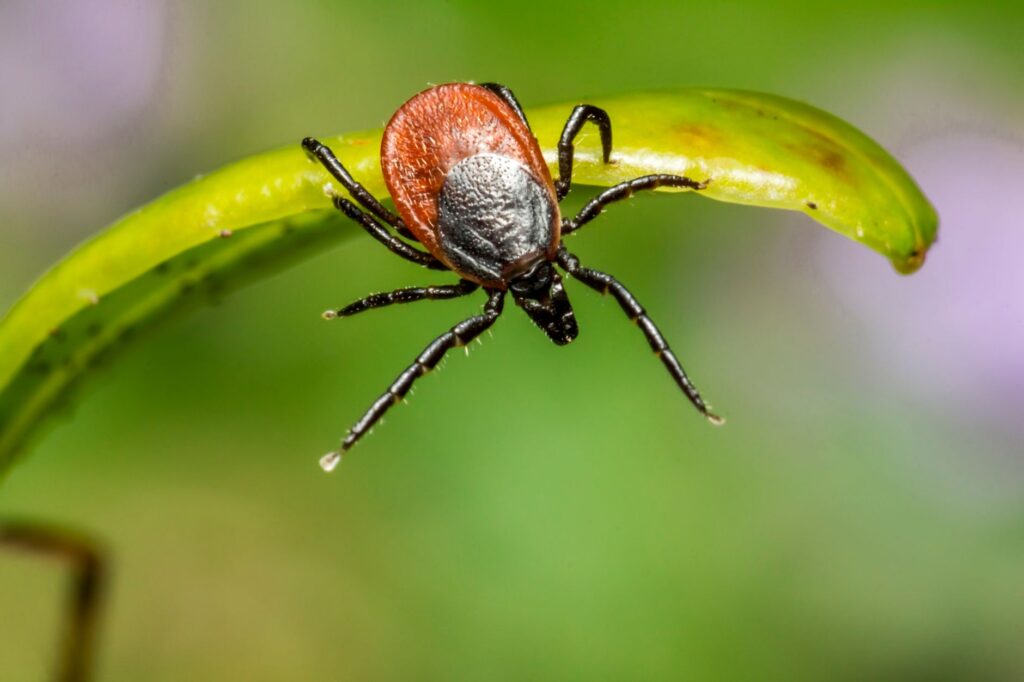
This guide covers everything about Noseeum Nuisance: Your 2026 Guide to Identifying & Eradicating Tiny Biters. A sunny afternoon in your Sacramento garden, a gentle breeze, and then… an invisible prickle, followed by an infuriating itch. If you’ve experienced this, you’ve likely had an unwelcome encounter with a noseeum. These minute biting midges can transform a relaxing outdoor experience into a frustrating battle against unseen foes, leaving behind itchy welts that linger.
Last updated: June 12, 2026
This 2026 guide delves deep into understanding these elusive pests, offering practical strategies to identify, prevent, and effectively manage noseeum populations around your home and garden, ensuring your outdoor spaces remain enjoyable.
Key Takeaways
- Noseeums (biting midges) are tiny flies, 1-3mm, making them hard to spot but leaving noticeable, itchy bites.
- They are strongly attracted to moisture, carbon dioxide, and body heat, thriving near standing water and damp vegetation.
- Effective prevention involves eliminating breeding sites, installing fine mesh screens (20×20 or finer), and utilizing strategic airflow from fans.
- Natural repellents like lemon eucalyptus oil offer a viable alternative to chemical options for personal protection.
- Persistent infestations often require a multi-pronged approach, potentially including professional pest control for complete management.
What Exactly Are Noseeums?
Noseeums, also widely known as biting midges, sand flies, or punkies, belong to the scientific family Ceratopogonidae. Their most distinguishing characteristic is their size — or lack thereof. These tiny insects typically measure between 1 and 3 millimeters (0.04 to 0.12 inches), making them incredibly difficult to spot with the naked eye.
Despite their diminutive stature, they pack a potent bite. Globally, there are over 5,000 known species of Ceratopogonidae, distributed across almost every continent except Antarctica and the Arctic. Interestingly, some species are also recognized as important pollinators, including for cocoa crops, highlighting their complex role in ecosystems.
In real terms, identifying them often comes down to the reaction they cause. If you’re experiencing bites but can’t see the culprit, a noseeum is a prime suspect. They are typically gray or brownish, often with mottled wings, but you’ll rarely get a clear view.
Why Do Noseeums Bite, and What Attracts Them?
Only female noseeums bite, as they require a blood meal to produce eggs. A need for protein drives their feeding habits, similar to mosquitoes. They are highly attuned to several environmental cues that lead them to their hosts.
These tiny biters are primarily attracted to carbon dioxide (CO2) exhalation, body heat, and certain chemical compounds in sweat. This is why they often seem to swarm when you’re active outdoors. Worth noting, their breeding grounds are typically damp, muddy areas, standing water, and decaying vegetation, which provide the ideal moist environment for their larvae to develop. According to the University of Florida’s Institute of Food and Agricultural Sciences, moist soil and aquatic habitats are crucial for their life cycle.
Identifying Noseeum Bites and Their Treatment
Noseeum bites manifest as small, red, intensely itchy welts, often appearing in clusters. They can resemble mosquito bites but are typically smaller and tend to itch more persistently. For some individuals, these bites can cause a delayed allergic reaction, leading to larger, more swollen areas days after the initial bite.
Treating noseeum bites effectively focuses on reducing itchiness and preventing infection. Start by washing the affected area gently with soap and water. Apply an over-the-counter hydrocortisone cream (1%), calamine lotion, or an antihistamine cream.
Oral antihistamines can also help alleviate widespread itching. Cold compresses can provide soothing relief. The wrinkle here: resist scratching, as this can break the skin and introduce bacteria, potentially leading to secondary infections.
Proactive Noseeum Prevention Strategies for Your Home and Garden
Preventing noseeum infestations requires a multi-faceted approach, focusing on denying them breeding grounds and access to your personal space. The most crucial step is eliminating sources of standing water and excessive dampness around your property. This includes regularly cleaning gutters, emptying bird baths, fixing leaky outdoor faucets, and ensuring proper yard drainage.
Improve sunlight exposure and airflow in shaded, dense areas of your garden by trimming back overgrown vegetation. Noseeums prefer still, humid conditions. Inside your home, installing fine mesh screens is paramount. Standard mosquito screens (typically 16×16 mesh) are often insufficient for these minuscule insects. You need screens with a mesh count of at least 20×20, or even finer like 20×30, to physically block their entry. According to a 2026 report by a leading pest control supplier, fine mesh screens can reduce indoor noseeum presence by up to 61% in affected areas.
Effective DIY Noseeum Control Methods
Beyond prevention, several DIY methods can help manage existing noseeum populations. One popular strategy involves homemade traps. A simple sugar water and yeast mixture in a bottle can attract and drown them, similar to fruit fly traps. For personal protection, essential oil repellents are a natural alternative.
Lemon eucalyptus oil, a CDC and EPA-registered repellent, has shown effectiveness against various biting insects, including biting midges. Other oils like peppermint, citronella, and lavender can also offer some deterrence. Always dilute essential oils with a carrier oil (like jojoba or coconut oil) before applying to skin, and perform a patch test first. For outdoor gatherings, strategic placement of oscillating fans can create air currents that disrupt their flight and make it difficult for them to land, effectively blowing them away.
Beyond DIY: When to Call in Professional Pest Control
While DIY methods are effective for minor annoyances, persistent or widespread noseeum infestations often warrant professional intervention. If you’re consistently battling large numbers of noseeums despite implementing preventive measures, or if bites are causing severe reactions, it’s time to call an expert. Professional pest control services can accurately identify breeding sites you might have missed, apply targeted treatments, and offer more strong, long-term solutions.
For instance, a professional might use insect growth regulators (IGRs) in breeding areas to disrupt the noseeum life cycle without harming beneficial insects or apply barrier treatments around your property. The cost for professional services can vary significantly based on property size and infestation severity, but expect to pay anywhere from $150 to $300 per treatment for a standard residential property as of June 2026. This investment can be worthwhile for reclaiming extensive outdoor spaces or ensuring peace of mind.
The Role of Local Flora in Noseeum Management
For gardening enthusiasts, integrating specific plants into your landscape can offer a natural layer of defense against noseeums. Certain plants emit compounds that insects, including biting midges, find repellent. This is a unique insight for managing noseeums in a floral context.
Consider planting citronella grass, lemon balm, catnip, marigolds, or scented geraniums around your patio or garden edges. While these plants won’t eradicate a noseeum problem entirely, their natural aromatic compounds can create a less inviting environment. For example, catnip contains nepetalactone, a compound found to be more effective than DEET in some studies against mosquitoes, and it may offer similar benefits against noseeums. Placing pots of these herbs near entryways or seating areas can provide a subtle, continuous deterrent.
Comparison: Natural vs. Chemical Repellents
When it comes to personal protection, you generally have two categories of repellents: natural and chemical. Each has its own benefits and drawbacks.
| Feature | Natural Repellents (e.g., Lemon Eucalyptus Oil) | Chemical Repellents (e.g., DEET, Picaridin) |
|---|---|---|
| Active Ingredients | Plant-derived compounds (e.g., PMD, citronella, peppermint) | Synthetic chemicals (e.g., N,N-Diethyl-meta-toluamide, Hydroxyethyl Isobutyl Piperidine Carboxylate) |
| Duration of Effectiveness | Generally shorter (1-4 hours), requiring more frequent reapplication | Longer-lasting (4-10 hours), depending on concentration |
| Safety Profile | Generally considered safe, but can cause skin irritation in some; not always suitable for very young children | Highly effective; generally safe when used as directed, but can irritate skin/eyes and damage certain plastics |
| Scent | Often pleasant, herbal, or citrusy | Can have a strong, sometimes unpleasant chemical odor |
| Environmental Impact | Lower perceived environmental impact | Higher perceived environmental impact; runoff concerns |
Pros of Natural Repellents
- Often preferred for sensitive skin.
- Pleasant, non-chemical scent.
- Lower perceived environmental impact.
Cons of Natural Repellents
- Requires more frequent reapplication.
- Effectiveness can vary greatly between products and individuals.
- May not be suitable for high-risk exposure areas.
Pros of Chemical Repellents
- Highly effective and long-lasting protection.
- Widely studied and proven efficacy against various insects.
- Reliable for areas with high pest pressure.
Cons of Chemical Repellents
- Can have a strong odor.
- May cause skin irritation in some users.
- Can damage synthetic fabrics and plastics.
Common Mistakes in Noseeum Control
Even with good intentions, people often make several common mistakes when trying to control noseeums. One significant error is overlooking all potential breeding grounds. It’s not just standing water; damp soil under potted plants, clogged drains, or even overly moist compost piles can harbor larvae. Many focus solely on personal repellents, neglecting source reduction.
Another frequent mistake is using standard window screens. As discussed, the tiny size of noseeums means they can easily slip through a typical 16×16 mesh. Investing in finer mesh is critical for effective exclusion. Finally, inconsistent application of repellents or only using them reactively (after bites occur) often leads to continued frustration. A proactive, consistent approach across all fronts yields the best results.
Expert Tips for a Noseeum-Free Environment
Achieving a truly noseeum-free environment requires a strategic mindset and consistent effort. Here are some expert insights to help you manage these pests effectively as of June 2026:
- Embrace Airflow: Noseeums are weak fliers. Use outdoor fans on porches, patios, and decks. A strong breeze, even from a small fan, can make it nearly impossible for them to land and bite. Position fans to create cross-breezes in your main outdoor living areas.
- Strategic Lighting: While noseeums aren’t typically drawn to light like some other insects, bright lights can attract other pests that, in turn, might attract noseeum predators. Consider yellow ‘bug lights’ for outdoor fixtures, which are less attractive to a broader range of insects, or simply dimming lights during peak noseeum activity.
- Timing is Key: Noseeums are most active during dawn, dusk, and cloudy periods when humidity is high and winds are calm. Plan your outdoor activities to avoid these peak times if possible. If you must be outside, ensure all your preventive measures are in place.
- Clothing Matters: Wearing light-colored clothing and long sleeves/pants can offer a physical barrier against bites. While not foolproof, it reduces exposed skin, making you a less accessible target. This simple step, combined with repellents, significantly boosts protection.
- Consider Diatomaceous Earth: For consistently damp soil areas in your garden where larvae might breed, food-grade diatomaceous earth can be gently worked into the topsoil. It’s a natural desiccant that can help dry out larvae, though its effectiveness against adult noseeums is limited. Always apply according to product instructions.
Frequently Asked Questions
What exactly are noseeums and what do they look like?
Noseeums are minute biting midges from the Ceratopogonidae family, measuring only 1-3 millimeters. Their small size makes them hard to see, appearing as tiny specks, but their bites are very noticeable. They are often grayish or brownish and can easily pass through standard window screens.
What attracts noseeums to my yard and home?
Noseeums are primarily attracted to sources of moisture, such as standing water, damp soil, and marshy areas, where they lay eggs. They also seek out carbon dioxide, body heat, and certain scents emitted by humans and animals, drawing them into outdoor living spaces and sometimes indoors.
How can I treat noseeum bites for quick relief?
For immediate relief from noseeum bites, wash the affected area with soap and water. Apply an over-the-counter hydrocortisone cream, calamine lotion, or an antihistamine cream to reduce itching and inflammation. Cold compresses can also soothe the irritation, but avoid scratching to prevent infection.
Are there natural repellents that work against noseeums?
Yes, several natural repellents can deter noseeums. Essential oils like lemon eucalyptus, citronella, and peppermint are known for their insect-repelling properties. Applying diluted versions to skin or using diffusers can help. Planting repellent flora like marigolds and catnip in your garden also offers some protection.
What is the best type of screen mesh to keep noseeums out?
To effectively keep noseeums out, standard mosquito screens are often not enough. You need fine mesh screens, ideally with a mesh count of 20×20 or finer (meaning 20 strands per inch in both directions). This tighter weave physically blocks the tiny insects from entering your home.
When is noseeum season typically in California?
In many parts of California, noseeum activity tends to peak during warmer, more humid months, typically from late spring through early fall. Areas near marshlands, lagoons, or damp coastal regions can experience higher populations and longer seasons, especially during warm evenings after rainfall.
Can noseeums transmit diseases?
While noseeums are primarily a nuisance, some species of biting midges can transmit diseases in certain tropical and subtropical regions. In North America, they are not typically known to transmit significant human diseases, but they can transmit some animal diseases. Always follow CDC guidelines on preventing insect bites for general protection against insect-borne illnesses.
Conclusion: Reclaim Your Outdoors
Dealing with noseeums can be a persistent challenge, but it’s far from an insurmountable one. By understanding their biology, identifying what attracts them, and implementing a combination of preventive measures and control strategies, you can significantly reduce their presence. From meticulous yard maintenance and fine mesh screens to strategic planting and personal repellents, a proactive approach is your best defense.
Reclaim your garden and enjoy your outdoor living spaces this 2026 season without the constant annoyance of these tiny, invisible biters. Your comfort and peace of mind are well worth the effort.
Last reviewed: June 2026. Information current as of publication; pricing and product details may change.
Related read: Noseeum Nuisance: Your 2026 Guide to Identifying, Preventing, and Treating Bites
Editorial Note: This article was researched and written by the Floral Loft SAC editorial team. We fact-check our content and update it regularly. For questions or corrections, contact us. Knowing how to address Noseeum Nuisance: Your 2026 Guide to Identifying & Eradicating Tiny Biters early makes the rest of your plan easier to keep on track.