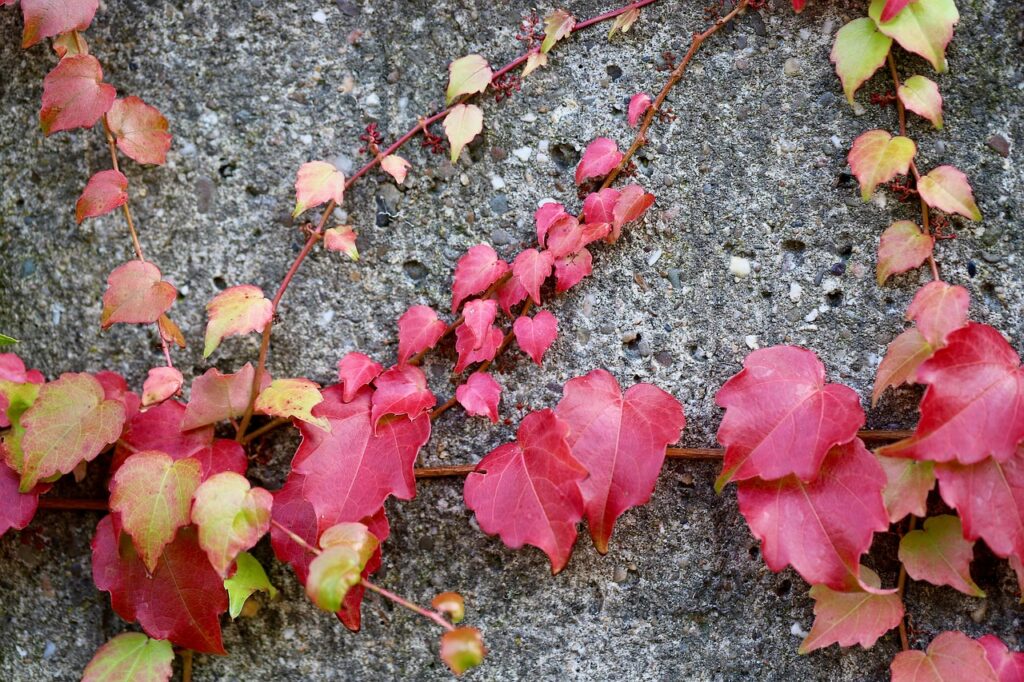
Sarah, a homeowner in East Sacramento, wanted to add a touch of classic charm to her bare brick wall. Every gardening blog she read touted the climbing hydrangea as a ‘virtually maintenance-free’, solution. What she discovered was a plant with immense beauty, but one that demanded patience, and a surprising amount of strategic intervention, especially in its early years. While it eventually lives up to its easy-care reputation, getting there requires a nuanced approach.
Last updated: June 12, 2026
The climbing hydrangea (most commonly Hydrangea anomaly subs. Petiolar is) is a magnificent deciduous woody vine that can transform a plain wall or fence into a lush, flowering spectacle. Known for its ability to cling to surfaces using aerial roots, it produces attractive dark green foliage and beautiful white lace cap flowers from late spring into early summer. However, its ‘low-maintenance’ label often overlooks the critical initial training and ongoing management it requires to truly thrive without causing issues.
Debunking the ‘Low-Maintenance’ Myth
Many gardening resources praise the climbing hydrangea as an effortless plant once established. While it’s true that mature plants are self-sufficient, the journey to establishment is anything but hands-off. For the first few years, this vine is relatively slow-growing and requires deliberate training to encourage it to cling to its support structure.
Ignoring this initial phase can lead to a sprawling, untidy plant that fails to climb effectively. It’s not a ‘plant-it-and-forget-it’ scenario from day one. Instead, consider it a long-term investment that pays off beautifully with consistent guidance. Worth noting: a truly established climbing hydrangea, say after five to seven years, can indeed be quite self-reliant, needing only annual shaping.
Choosing the Right Spot for Your Climbing Hydrangea
Site selection is paramount for a happy climbing hydrangea. These woody vines prefer partial to full shade, especially in hotter climates like Sacramento, California. Morning sun with afternoon shade is ideal, protecting its delicate foliage from scorching. Too much sun can lead to leaf scorch and fewer flowers, while deep shade might result in sparse growth.
The wrinkle here: excellent drainage is non-negotiable. While hydrangeas love consistent moisture, they abhor soggy feet. A rich, organic soil that retains moisture but drains well is perfect. Consider its mature size too; it can reach 30–50 feet in height and 10–20 feet in width, so give it ample space to spread without overwhelming other plants or structures.
Planting for Success: A Step-by-Step Guide
Proper planting sets the stage for years of vigorous growth. Here’s a detailed approach for planting your climbing hydrangea as of June 2026:
- Prepare the Site: Dig a hole twice as wide as the root ball and just as deep. Amend the excavated soil with compost or other organic matter to improve drainage and fertility.
- Position the Plant: Gently remove the climbing hydrangea from its container. If roots are circling, tease them apart. Place the plant in the hole so the top of the root ball is level with the surrounding soil. Avoid burying the crown too deeply.
- Angle for Climbing: For optimal adhesion, plant the vine about 6–12 inches away from its support structure (wall, trellis, arbor) and angle it slightly towards the support. This encourages the stems to reach for the surface.
- Backfill and Water: Fill the hole with the amended soil, gently tamping down to remove air pockets. Water thoroughly until the soil is saturated.
- Mulch: Apply a 2–3 inch layer of organic mulch (like wood chips or shredded bark) around the base, keeping it a few inches away from the stem. This conserves moisture, suppresses weeds, and regulates soil temperature.
The Art of Training and Support
One common oversight is assuming the climbing hydrangea will instantly cling to any surface. While it’s a self-clinger, young plants often need a helping hand. In our experience at Floral Loft SAC, initial training is crucial for the first 2–3 years.
Tie the main stems loosely to the desired support using soft ties or horticultural tape. Guide them upwards and outwards to encourage even coverage. The aerial roots need time to develop and grip. Worth noting: it attaches best to rough surfaces like brick, stone, or mature tree bark. Smooth surfaces like painted wood or metal might require a trellis or wire support.
Pruning Your Climbing Hydrangea for Optimal Growth
Pruning is essential for maintaining shape, size, and promoting vigorous flowering. The best time to prune is immediately after flowering in late spring or early summer. Climbing hydrangea allows the plant to set new flower buds for the following year.
Remove any dead, damaged, or diseased branches first. Then, selectively thin out overcrowded stems to improve air circulation and light penetration. For size control, cut back long, unruly shoots to a side branch or bud. Avoid heavy pruning, especially in late summer or fall, as this can remove next year’s flower buds. For a denser, more floriferous display, consider tip-pruning young shoots to encourage branching. This is a specific operational detail often missed in generic guides.
Climbing Hydrangea vs. False Hydrangea Vine
It’s easy to confuse Hydrangea anomaly subs. Petiolar is with its close relative, the Japanese Hydrangea Vine (Schizophrenia hydrangeoides), often called ‘False Climbing Hydrangea’. While both are beautiful deciduous climbers, they have subtle differences worth noting for savvy gardeners.
| Feature | Climbing Hydrangea (H. Anomaly subs. Petiolar is) | False Climbing Hydrangea (Schizophrenia hydrangeoides) |
|---|---|---|
| Flowers | True lace cap, central fertile flowers, outer sterile florets | Flattened clusters, but outer sterile florets are often single, heart-shaped sepals |
| Leaves | Dark green, broadly oval to heart-shaped, slightly serrated | Similar, but often slightly smaller, sometimes with a reddish tint on new growth |
| Climbing Mechanism | Aerial roots, strong grip on rough surfaces | Aerial roots, generally less aggressive cling than H. Petiolar is |
| Bloom Time | Late spring to early summer | Early to mid-summer, often slightly later than true climbing hydrangea |
| Growth Rate | Moderate to vigorous once established | Generally vigorous, can be slightly faster in ideal conditions |
Pros of Climbing Hydrangea
- Stunning white lace cap flowers add elegance.
- Attractive foliage provides year-round interest (deciduous, but bark is appealing).
- Self-clinging nature reduces need for extensive support structures once mature.
- Tolerant of shade, making it versatile for difficult garden spots.
- Winter hardy, suitable for a wide range of climates.
Cons of Climbing Hydrangea
- Slow to establish, requiring patience and initial training.
- Vigorous growth can potentially damage delicate structures or gutters if left unmanaged.
- Heavy mature growth can be difficult to prune or remove from structures.
- Can be challenging to transplant once established due to extensive root system.
- May not cling well to very smooth surfaces without assistance.
Common Mistakes to Avoid
Even experienced gardeners can fall prey to common pitfalls with this beautiful vine. One major mistake is planting too close to the house or a structure without considering its mature size. Its strong aerial roots, while generally not damaging to sound masonry, can find their way into cracks or crevices, potentially causing issues over decades. According to the Royal Horticultural Society (RHS) in 2026, proper spacing and regular monitoring are key to preventing structural concerns.
Another error is insufficient watering during establishment, especially in its first few years. Despite being somewhat drought-tolerant when mature, young climbing hydrangeas need consistent moisture to develop a strong root system. Conversely, overwatering in poorly draining soil can lead to root rot. Finally, ignoring early training can result in a sprawling, ground-cover-like plant rather than the vertical climber you envisioned.
Expert Tips for a Stunning Display
To truly get the most out of your climbing hydrangea, go beyond the basics. Consider its use not just as a wall cover, but as a living sculpture. For instance, allowing some stems to grow horizontally along a sturdy pergola can create a breathtaking floral ceiling. When training, don’t be afraid to prune aggressively to create specific shapes, such as an espalier against a fence.
If you’re dealing with a mature climbing hydrangea that has become too vigorous or is growing where it shouldn’t, a unique approach is needed for removal. Instead of trying to yank it off, which can damage surfaces, cut the vine at the base. Allow the remaining portions to die back and decay for several months (or even a year). This makes the aerial roots brittle and easier to scrape off without causing extensive damage. This takes patience but protects your structure.
Frequently Asked Questions
How fast does climbing hydrangea grow?
Climbing hydrangea is initially slow to establish, often showing minimal vertical growth for the first 2-3 years. Once its root system is developed and it begins to cling, its growth rate accelerates, typically adding 1–2 feet per year. Mature plants can grow quite vigorously.
Does climbing hydrangea damage brickwork?
Generally, climbing hydrangea doesn’t damage sound brick or mortar. Its aerial roots adhere to surfaces but don’t penetrate them aggressively. However, if there are existing cracks or weak mortar, the roots can exploit these, potentially exacerbating damage over time. Regular inspection is advised.
Can I grow climbing hydrangea in a container?
While possible when young, growing climbing hydrangea in a container long-term is challenging due to its mature size and need for deep roots. It would require a very large container, consistent watering, and regular repotting or root pruning to remain healthy. It’s best suited for in-ground planting.
When does climbing hydrangea bloom?
Climbing hydrangea typically blooms from late spring to early summer. In Sacramento, this usually means late May through June, though timing can vary slightly with local climate conditions and specific varieties. The flowers are white, flattened lace caps that stand out against the dark green foliage.
What are good companion plants for climbing hydrangea?
Good companion plants for climbing hydrangea are those that also prefer partial shade and moist, well-draining soil. Consider hostas, ferns, astilbe, or other shade-loving perennials at its base. These can create a lush, layered effect and complement its vigorous growth.
Is climbing hydrangea toxic to pets?
Yes, all parts of the climbing hydrangea, like many other hydrangea species, are considered toxic if ingested by pets, particularly dogs and cats. Symptoms can include vomiting, diarrhea, and lethargy. It’s best to supervise pets around the plant or choose pet-safe alternatives if this is a concern. For more on pet-safe gardening, see.
Conclusion
The climbing hydrangea, with its vigorous growth and stunning floral display, is a truly rewarding plant for the right location and gardener. While often simplified as ‘low-maintenance,’ its early years demand patience and a guiding hand. Understanding its needs for proper site selection, initial training, and strategic pruning will ensure it becomes the magnificent, self-sufficient vine you envision. Embrace the journey, and your efforts will be amply rewarded with a breathtaking botanical feature that enhances your landscape for decades.
Last reviewed: June 2026. Information current as of publication; pricing and product details may change.
Source: Britannica
Editorial Note: This article was researched and written by the Floral Loft SAC editorial team. We fact-check our content and update it regularly. For questions or corrections, contact us.